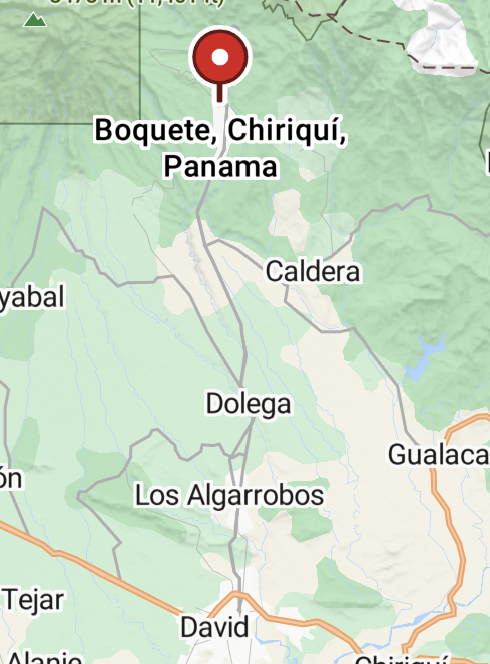
Caldera Hot Springs, Chiriquí, Panama – A Quiet Escape Near Boquete
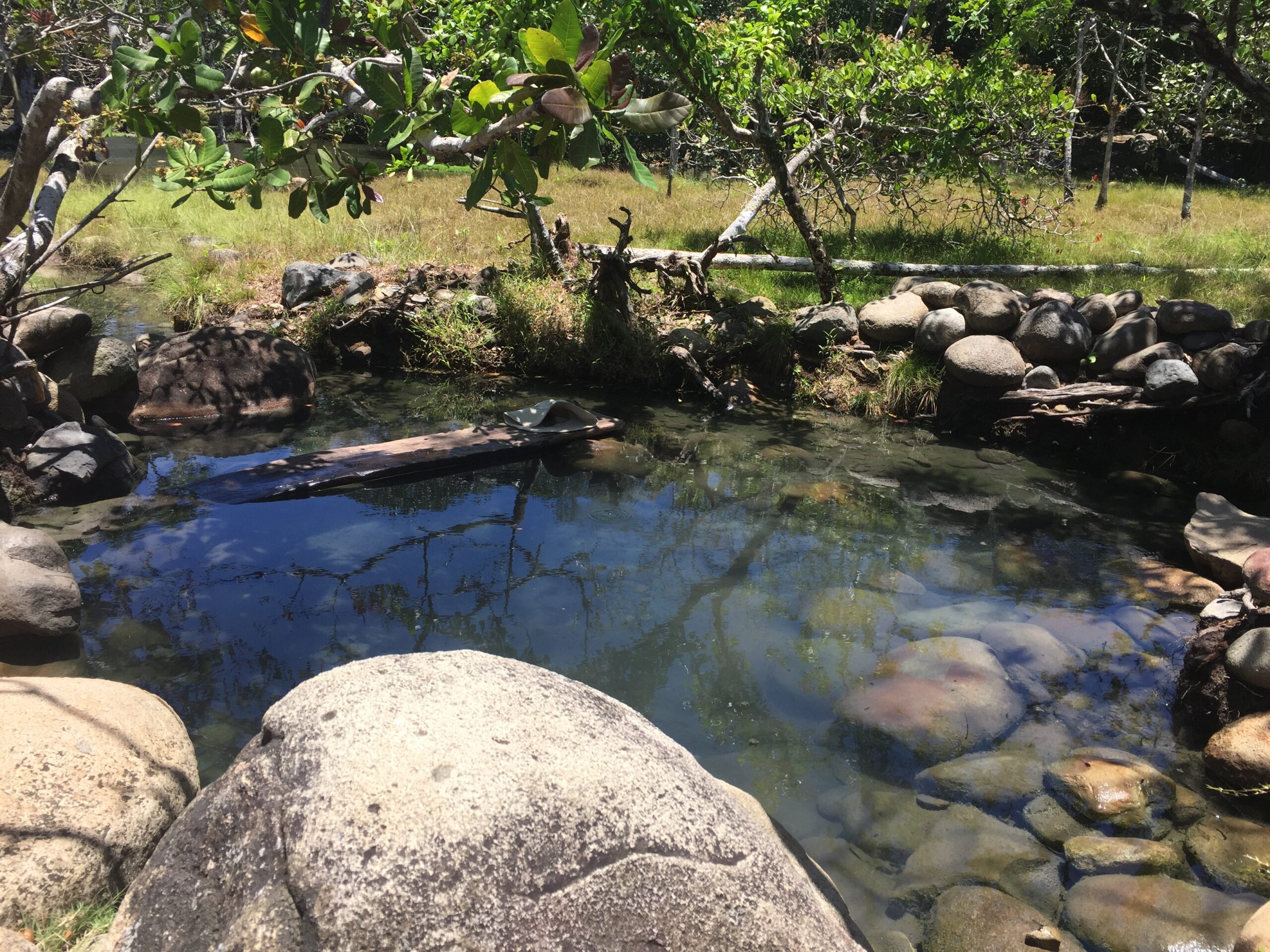
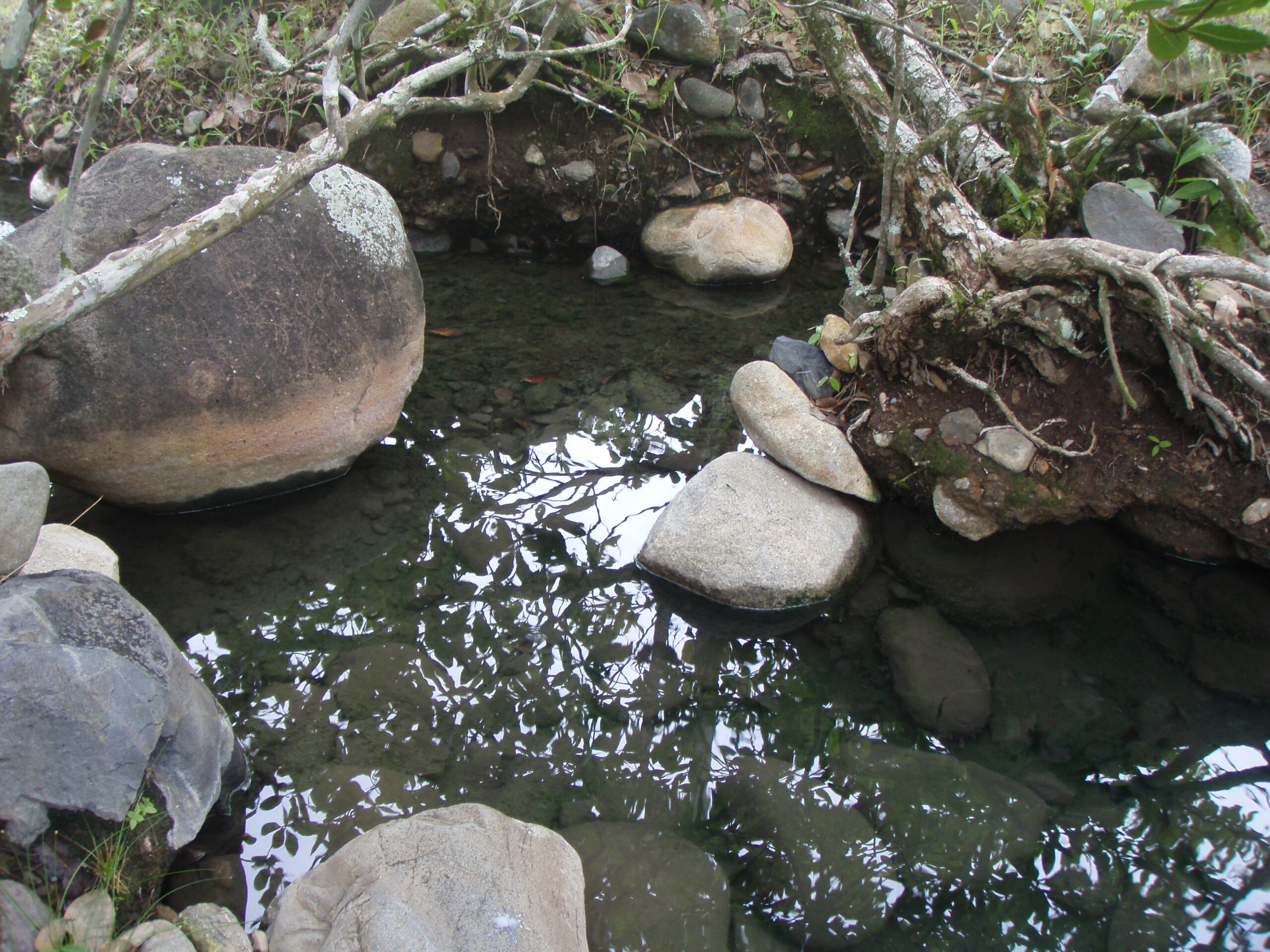
Caldera Hot Springs in Panama offers a quiet, natural escape near Boquete. No crowds, no structure. Just thermal pools, raw landscape, and space to unwind. I first visited the Caldera Hot Springs nearly 20 years ago. I have been back at least twice, most recently in the spring of 2025.
What stands out is how little it has changed. It is still natural. Still quiet. Pretty much the same as my first visit all those years ago. There is no sense that anyone has tried to turn it into something more accessible or more polished. It exists as it is, and that is what makes it worth the effort of getting there.
Where You Are: The Caldera Valley
Caldera sits in the Caldera Valley, in Chiriquí Province, in the western part of Panama. To place it clearly, it is, if you are driving, around 15 to 20 minutes from Boquete and roughly 25 to 30 minutes from David. You are still in the highlands of the country, but not in the way most people experience Boquete. If you have already spent time in Boquete, for example, walking through the forest trails of the Lost Waterfalls, the difference is immediate. When I think of Boquete being enclosed comes to mind. Dense, layered with forest. In Caldera you have moved out of the mountain setting and into something more open.
You drop into the valley and the land stretches out. There are expansive, flat sections, and you see cattle and horses moving slowly across the fields. Properties are set back from the wide road, and there is very little traffic. On a clear day, particularly toward the end of the dry season, the landscape shows the contrast. Some areas appear dry, with exposed ground and lighter vegetation. In other areas, the land is green and cultivated. Both exist side by side.
Caldera is within the same wider Chiriquí region that includes Volcán Barú, the highest point in Panama, but here in the valley the landscape it is flatter, more exposed,than Boquete.
The Drive: Calm, Then Focused
The drive begins without any difficulty. From Boquete, you head down toward the valley, From David, you come up through Dolega. Either way, the drive is easy and clearly signposted, and easy to follow. As you approach the turn for Caldera, keep an eye out for the signage. This is the only point where you need to pay careful attention to not miss. If you’re coming from Boquete its a left turn. Right if you’re coming from David.
What’s important is this, when you make that turn, you’re still on a proper, well-maintained road. Don’t second-guess it. The surface starts to change later, as you go deeper into Caldera and closer to the hot springs. The final stretch, which takes you to the springs, just before the bridge crossing is largely a gravel road.
On my last visit, I was in a standard rental car, not an SUV. The final stretch required my full attention. The road becomes very uneven, with potholes, some very large, requiring me to slow right down. I had to be very careful with the car through each section. It’s not a long stretch, but it’s enough to make you aware of the conditions. A tad disconcerting with a rental!
When you visit, I would recommend a 4×4 or SUV, not because it is strictly required, but because it makes that part of the journey more straightforward and removes the concern of navigating it in a smaller lower to the ground vehicle. As you continue, the surroundings remain open and quiet. There is very little traffic. The road is used mainly by local vehicles and farm traffic.
The Bridge And The River

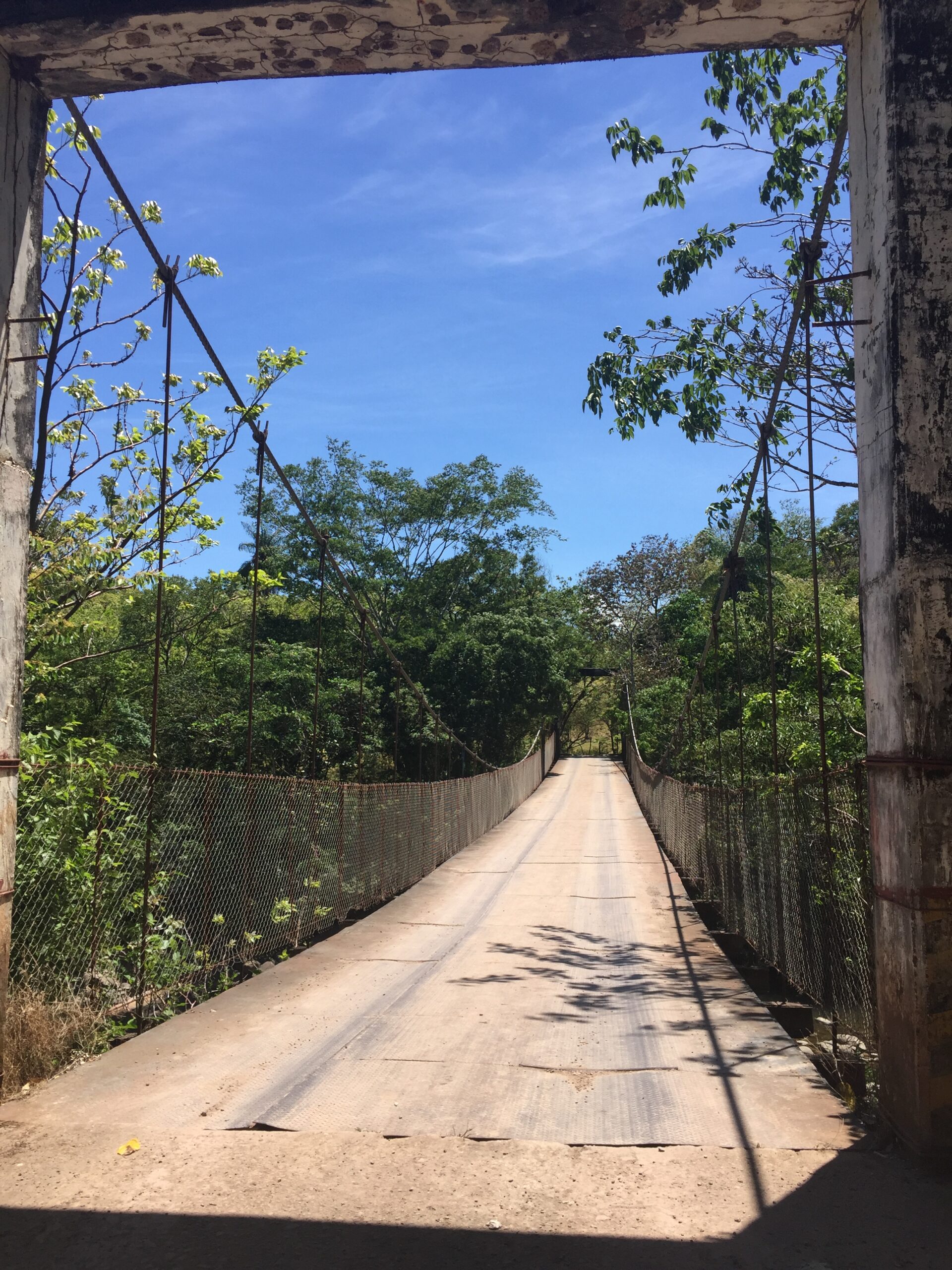

You will know you are getting close, when you reach the bridge over the Caldera River. This is a natural point to stop. You can step out and look down into the river below. At the end of the dry season late April, the river still flows, however the water level reflects the time of year, steady and relatively low. You can see the shape of the river clearly, the rocks, the banks, and how it moves through the valley. Crossing the bridge, you continue to the left for a short distance before reaching the car parking area. At that point, the drive is over.
The Walk In To Caldera Hot Springs
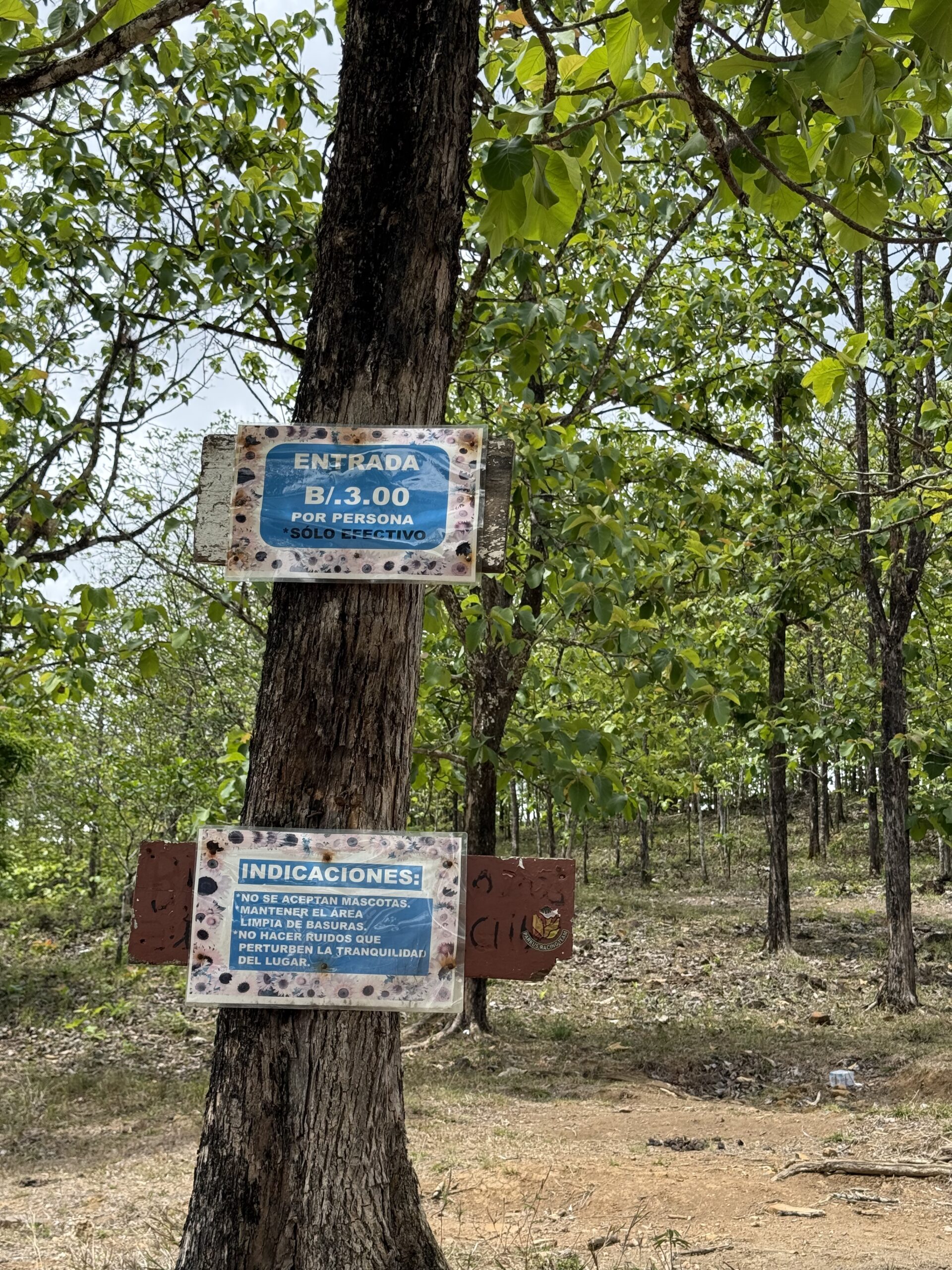
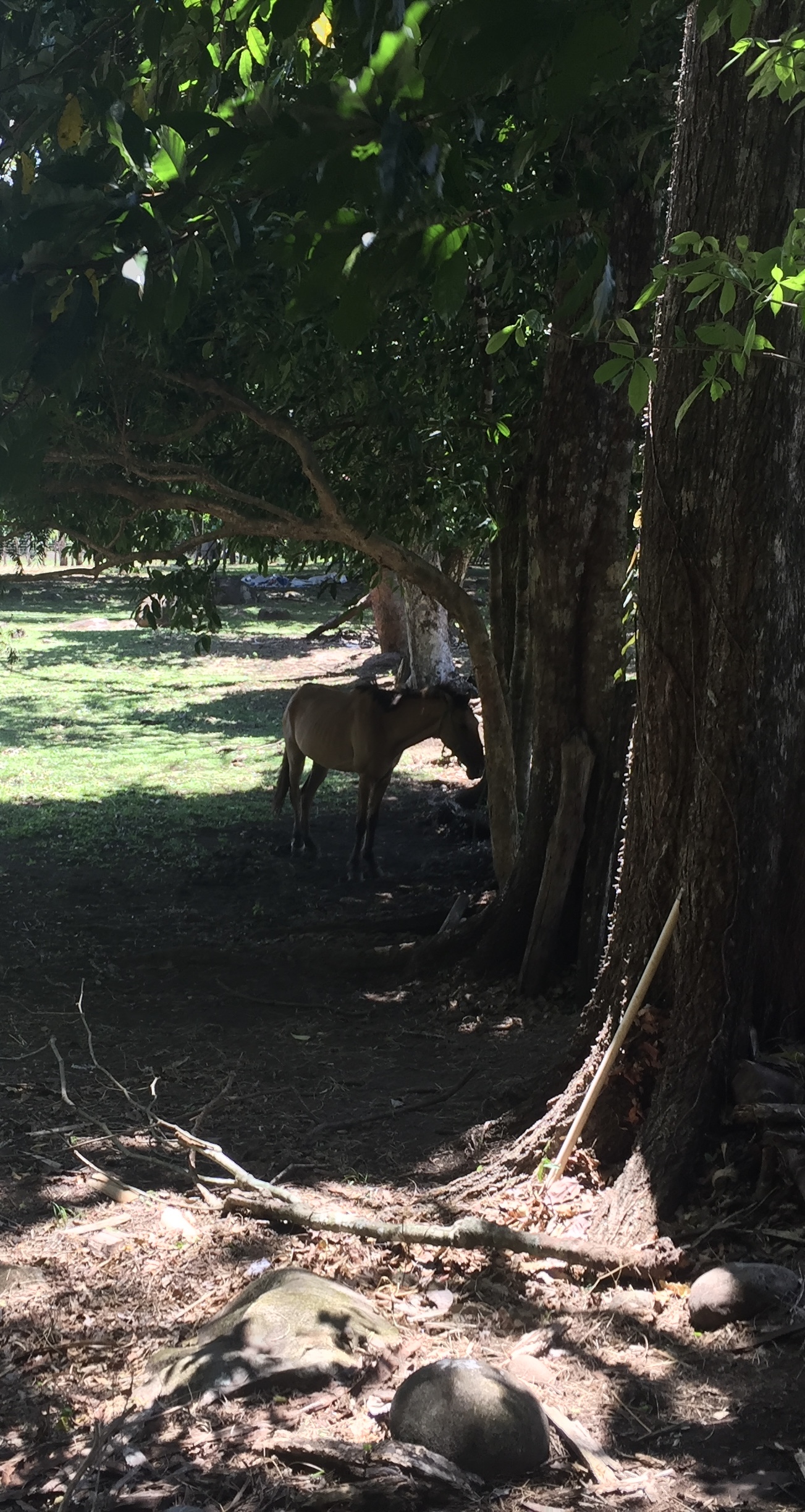
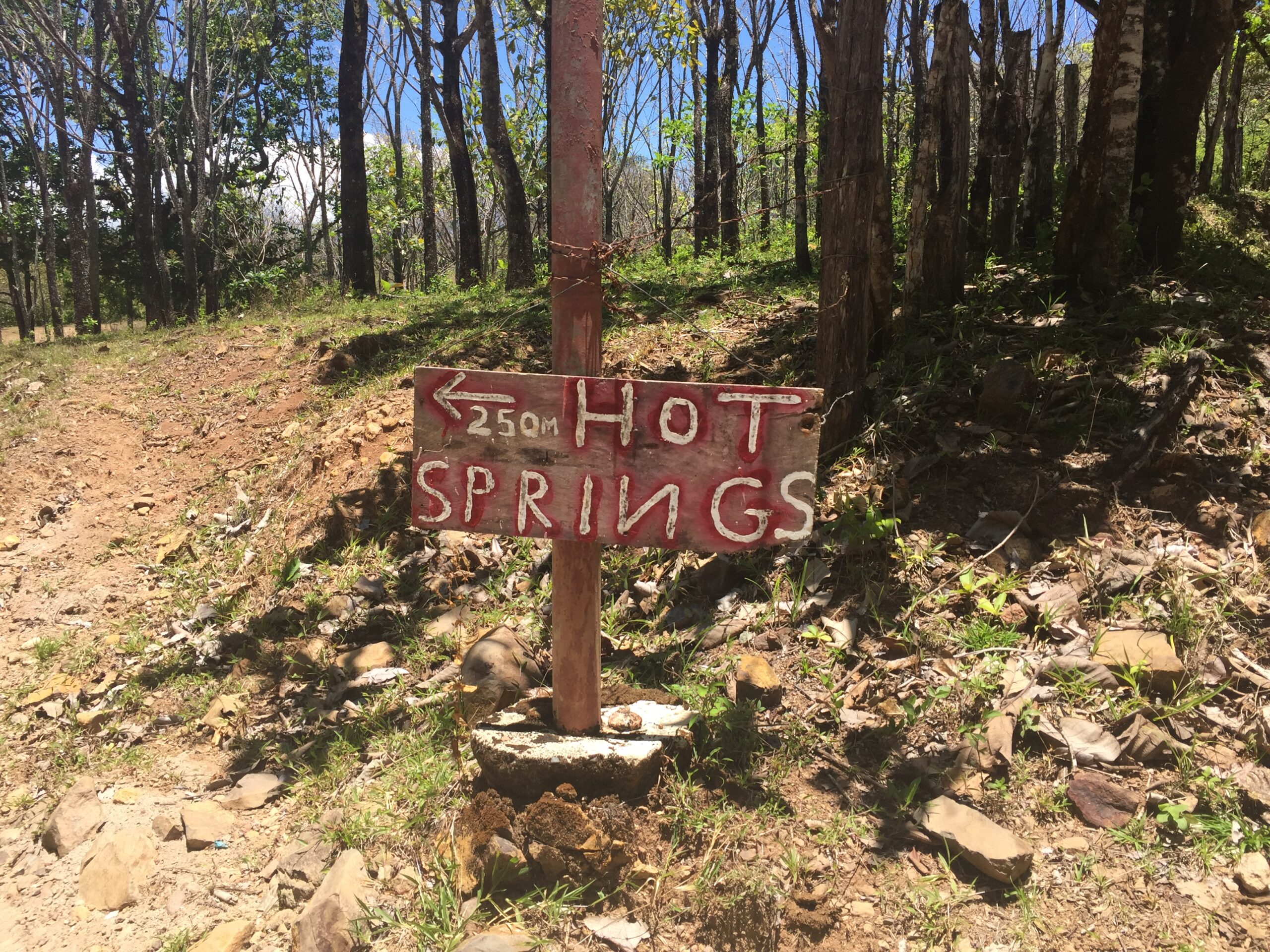
From where you park, you continue on foot. The walk takes around 10 to 15 minutes, and while there is some signage, it’s minimal. Just enough to keep you moving in the right direction. The path draws you inward fairly quickly. It’s not wide-open land, it becomes more enclosed, with tall tropical trees rising on either side. A mix of hardwoods, and fruit trees, create a loose but steady canopy overhead, filtering the light into a soft green glow. In places, the vegetation thickens; in others, it opens just enough to remind you you’re still in a working landscape.
There’s a natural corridor effect to the walk. Shaded, warm, and slightly humid. It feels almost like the landscape is closing in around you, not in a heavy way, but in a way that holds the heat and softens the air. Even in the shade, you feel it.
You’ll pass cattle and goats grazing. Horses moving slowly, very much at home in their environment. They will occasionally glance your way, as if to say we see you. The most unexpected beauty in this landscape are the peacocks, adding a flash of colour against the green, absolutely showing off their beauty. There’s no formal entrance, no defined boundary. There’s no clear entrance, you just keep walking, and the path gradually brings you to the springs.
Arrival At The Springs
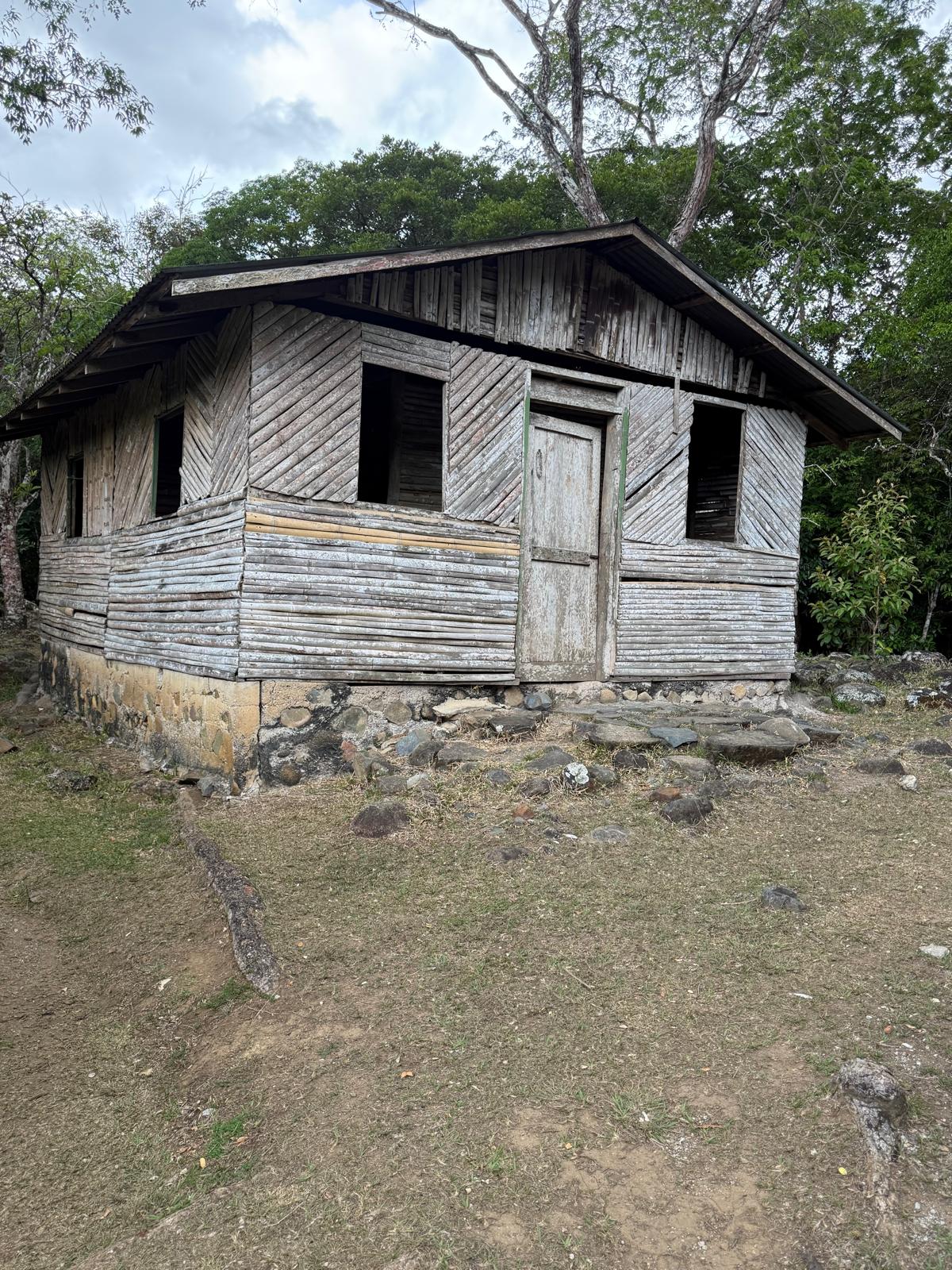
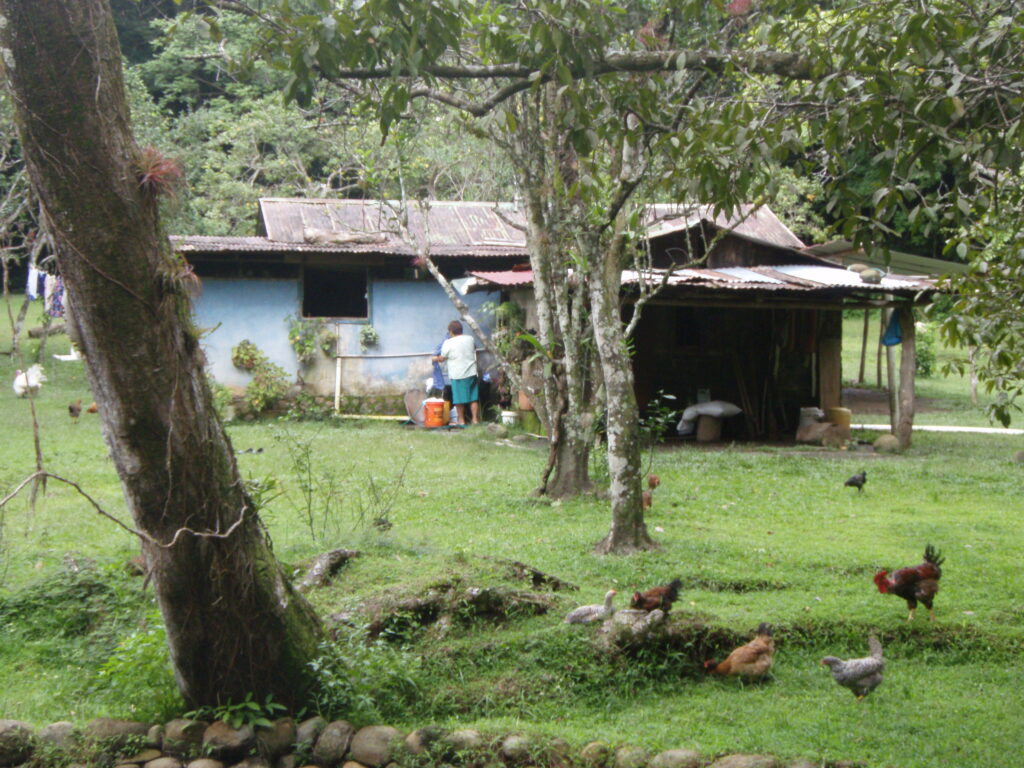
When you arrive, it doesn’t feel like you’ve stepped into a formal site. Off to the right, just across a small stream, there’s a rustic family home. Simple, lived-in, and very much part of the setting. You don’t see anyone at first. And then, almost without fail, someone appears, usually one of the women from the house. Just as you arrive. No sign, no call, no process. It happens so naturally it almost feels timed.
The springs sit on private land, and the entrance fee was US$3 when I last visited. This is collected by one of the ladies of the home (native Panamanians). All communication is in Spanish, even if you are not a fluent Spanish speaker, this exchange tends to be straightforward. There’s no “other” reception. No facilities. You just arrive, pay, and walk to a pool.
The Pools
The springs themselves are small natural pools, formed directly in the ground. From what I have seen, there are around five or six pools available. They are not arranged or designed. They exist where they have formed. You can see the water rising from below, small bubbles breaking through the surface, a constant reminder that this is coming from deep underground. The springs are naturally heated by geothermal activity in the region, part of the same volcanic landscape that shapes much of this area. Each pool is slightly different in how it sits in the ground, there is no formal layout. You simply choose a space that is available.
Time At The Springs
The water is hot. You sit for a period of time, then step out to cool down, and repeat. There are a couple of simple water pipes nearby that can be used to cool off before going back into the pools. There is no schedule. No time limit.
You can stay for as long as you want. If you arrive earlier in the day, you’re more likely to be able to choose your pool, and at certain times it’s possible to have a pool to yourself. Each pool is naturally enclosed, with rock and vegetation creating a sense of privacy. You’re not exposed to other visitors or the direct sun while you’re relaxing in your natural spa. As more people arrive, you may be asked to share.
Spending Time There
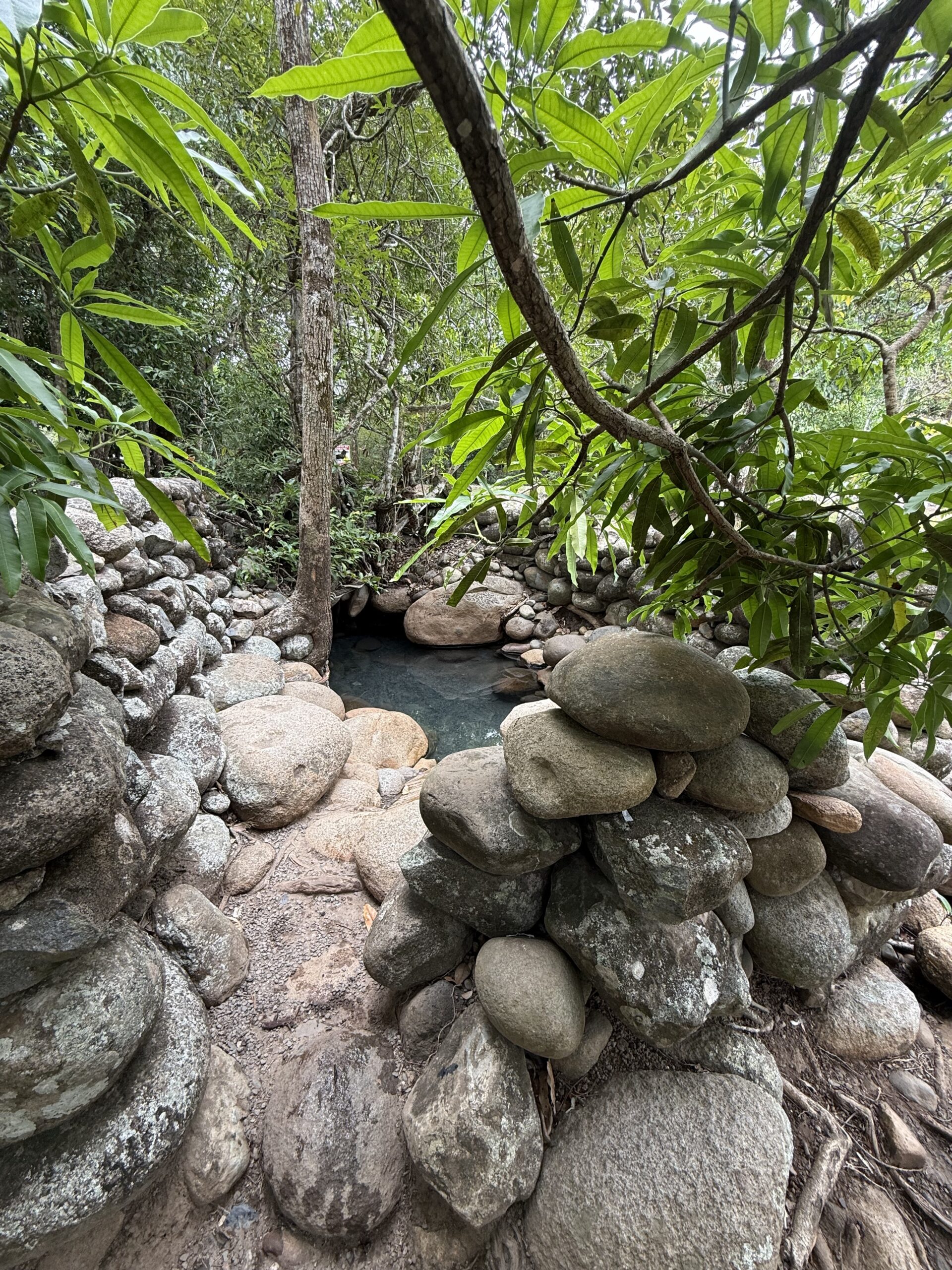
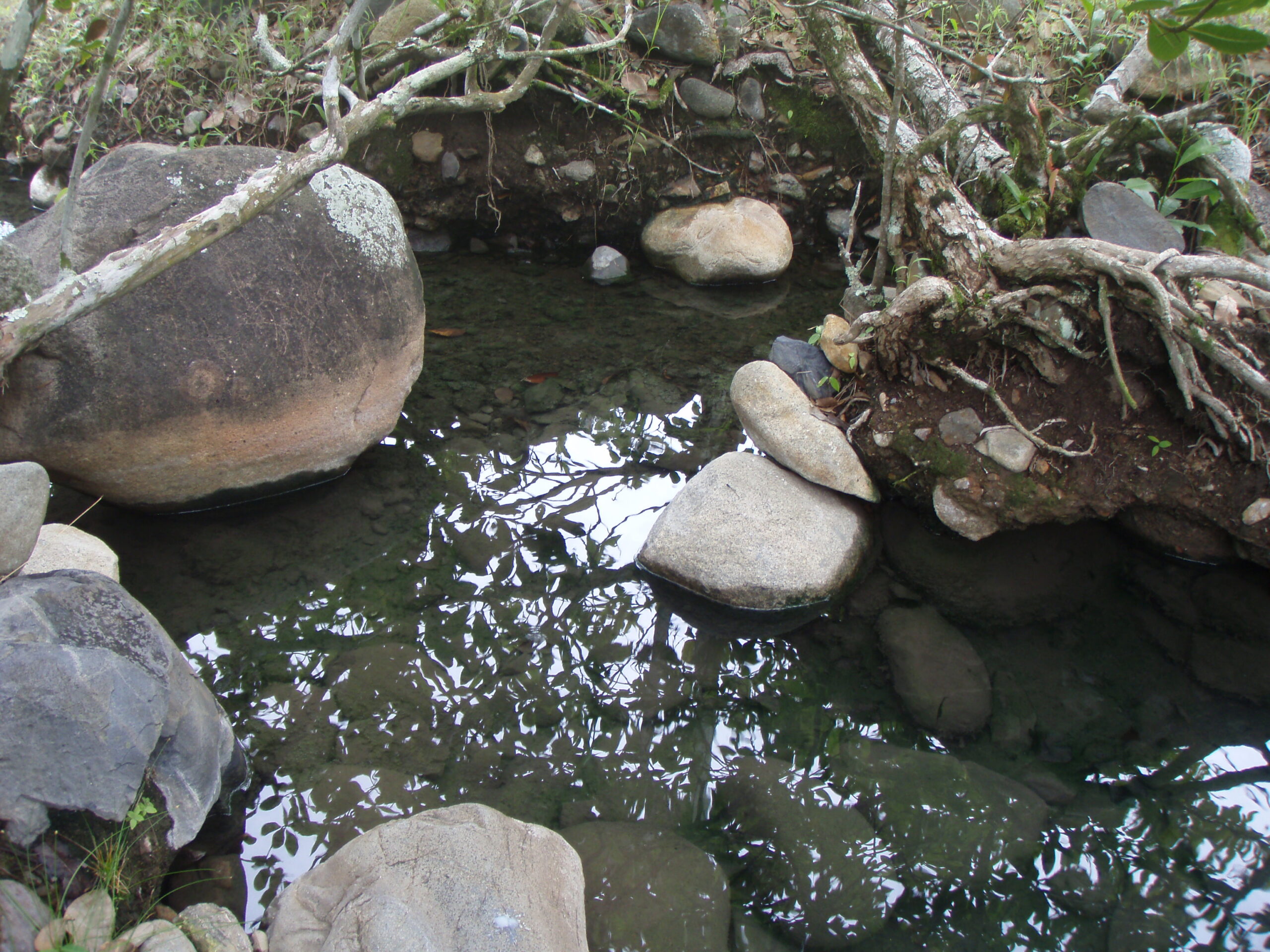
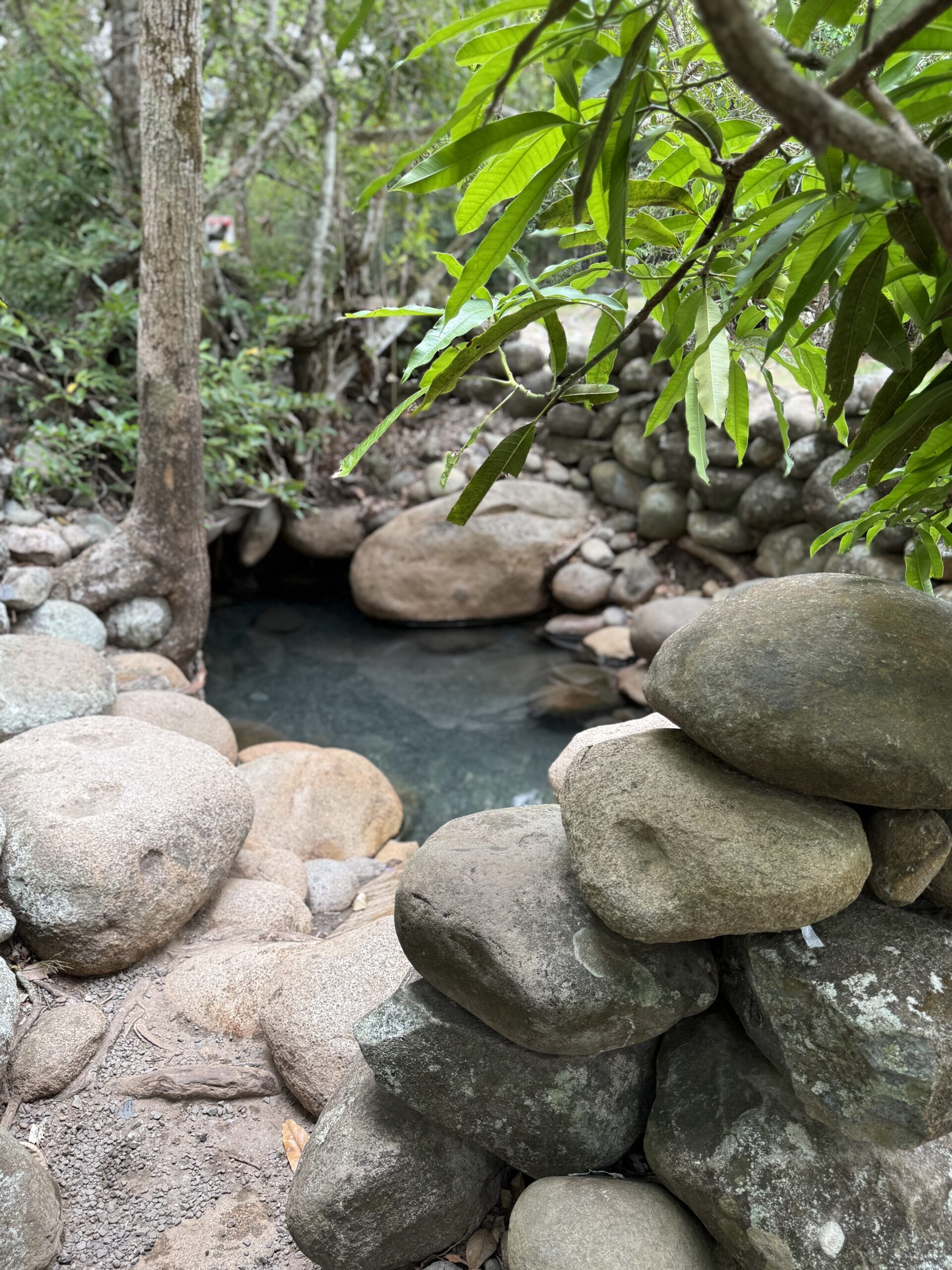
Once you are in, time moves differently. You are not moving from place to place. You are not following a route. You find yourself looking up from time to time, at your surroundings, the sky above. There’s the occasional rustle of wind through the trees, birds chirping somewhere beyond the canopy, and not much else. There is just a quiet, natural rhythm that feels more like an outdoor spa shaped entirely by nature. It is amazing and totally relaxing. If you have brought food, you can sit and eat nearby. If not, you simply stay as long as you are comfortable. There is no pressure to leave.
When I Go
I visit toward the end of the dry season. At that time the road is dry, the river is lower, and the sky is usually clear. The landscape reflects that time of year, with visible contrast between dry areas and green sections of land.
Timing Your Visit
If you want to avoid sharing your pool, aim to arrive by late morning, around 10:30am to midday the very latest. In the peak season January through March, the earlier the better, as most visitors tend to arrive later. With a small number of pools, it does not take many people for the space to feel full.
What to Bring
If you plan to stay for a few hours, you need to bring everything with you. There is not much available for purchase at the springs. Bring water, food, swimwear, a towel and of course your sun protection. On the way back toward the main road, you will see signage to Cascada de Caldera. It is a short drive from the springs and can be visited as part of the same trip. I have not visited yet, however it is an option if you want to include something additional in your day.
How It Fits Into a Trip
If you are staying in Boquete, Caldera works well as a contrast to time spent in the forest. You might spend one day walking through the trails around the Lost Waterfalls, and another day in the valley at Caldera. They are close in distance but very different in setting.
Looking more broadly, most trips to Panama begin in Panama City. Panama City is dense, built up, and fast, moving. Caldera is open, quiet, and simple. The difference between the two is clear.
Where Else On The Map
The Lost Waterfalls hike offers a more physical path through dense terrain, a different experience, but one that carries the same sense of stepping away from the surface.
Further afield, in São Tomé, the Lagoa Amélia hike moves through rainforest to a volcanic crater, shaped by the same quiet intensity, but in a more enclosed, immersive setting.
Travel Deeper
Caldera isn’t organized in the traditional sense. You have to get there, manage the road, walk in, and then you spend time there. If you’re prepared for that, it works.
Some places ask very little of you. Caldera is not one of them. It requires a willingness to arrive without expectation, to sit without structure, and to allow the experience to unfold on its own terms.In return, it offers something quieter. Not spectacle, but space.
Practical Note
Entry requirements and regulations are subject to change. Always confirm details with official sources before travel. Travel safely, and return not just with memories, but with connections that endure.