Makarska Riviera – Beach Days on Croatia’s Adriatic Coast
Croatia on the Adriatic – Position, History & Perspective
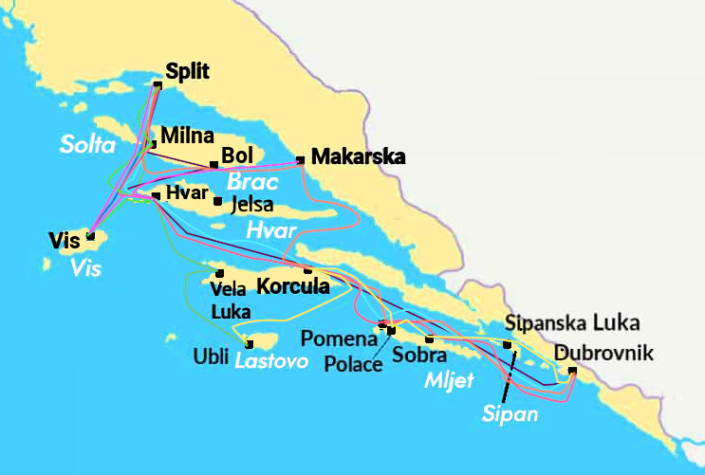
Croatia stretches along the eastern edge of the Adriatic Sea, directly opposite Italy. On clear days along parts of the Dalmatian coast, including the Makarska Riviera it feels entirely plausible that Venice lies just beyond the horizon. This is not “Eastern Europe” in the way it is sometimes casually described. Croatia is Mediterranean, Central European, Adriatic, shaped by Roman foundations, Venetian trade routes, and Austro-Hungarian influence. It joined the European Union in 2013 and adopted the euro in 2023, but its connection to the wider European story has always run far deeper.
The Makarska Riviera – Geography & Personal Return
Discover the Makarska Riviera’s most beautiful beach days. Crystal-clear Adriatic waters, hidden coves, and refined coastal moments along Croatia’s most captivating shoreline. The Makarska Riviera sits almost parallel to Venice across the Adriatic. For centuries, maritime routes connected these shores. The island of Korčula, just offshore, is traditionally associated with the early life of Marco Polo. A reminder that this coastline has long been outward-looking, commercially agile, and culturally intertwined with the rest of Europe. Croatia has never been peripheral. It has always been positioned.
Even the journey reflects that confidence. Croatian motorways are consistently ranked among the best in Europe for quality and maintenance. The A1 motorway, linking Zagreb to Split and stretching toward the southern coast, is impeccably engineered, clearly marked, and immaculately maintained. Driving here feels seamless and deliberate and fast.
Positioned on the Adriatic
There are places we visit, and then there are places that quietly claim us. In the summer of 2015 I was introduced to Croatia by one of my dearest friends, Mateo. Croatian, proud, generous with his homeland. What began as a ten-day summer break has become a decade-long love story. Since that first visit, I have returned every year, with the exception of 2020. Makarska is simply my happy place. No matter where I travel or how far I roam, I always look forward to the time I spend each year along this stretch of Adriatic coastline. It has become something of an annual exhale.
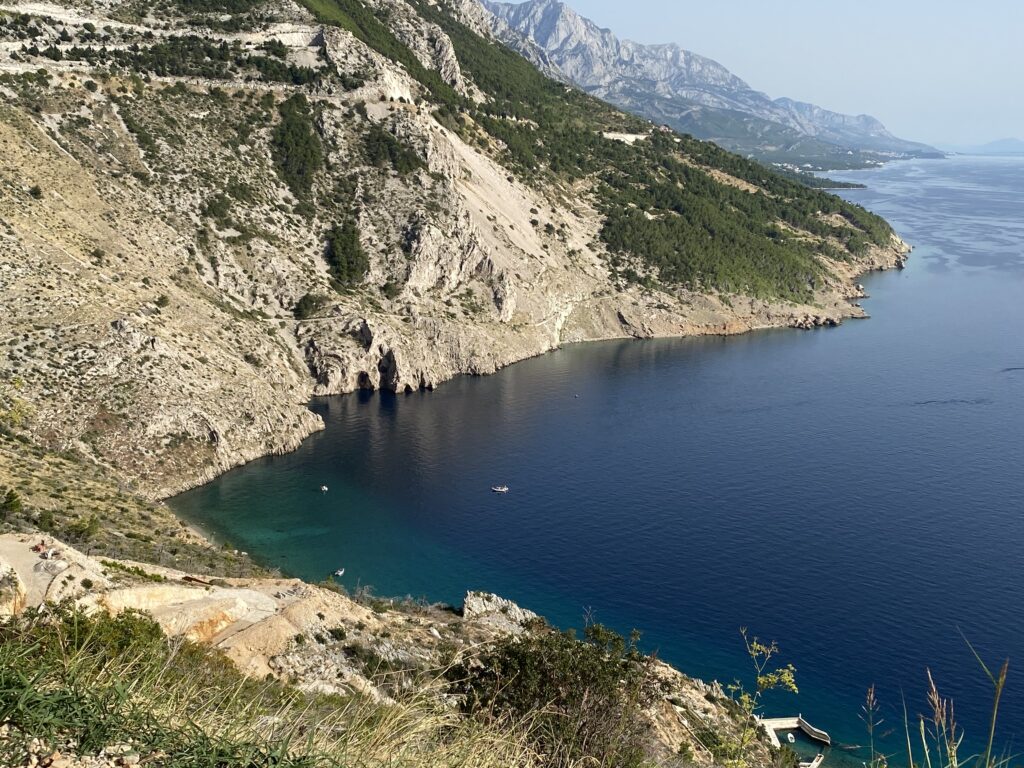
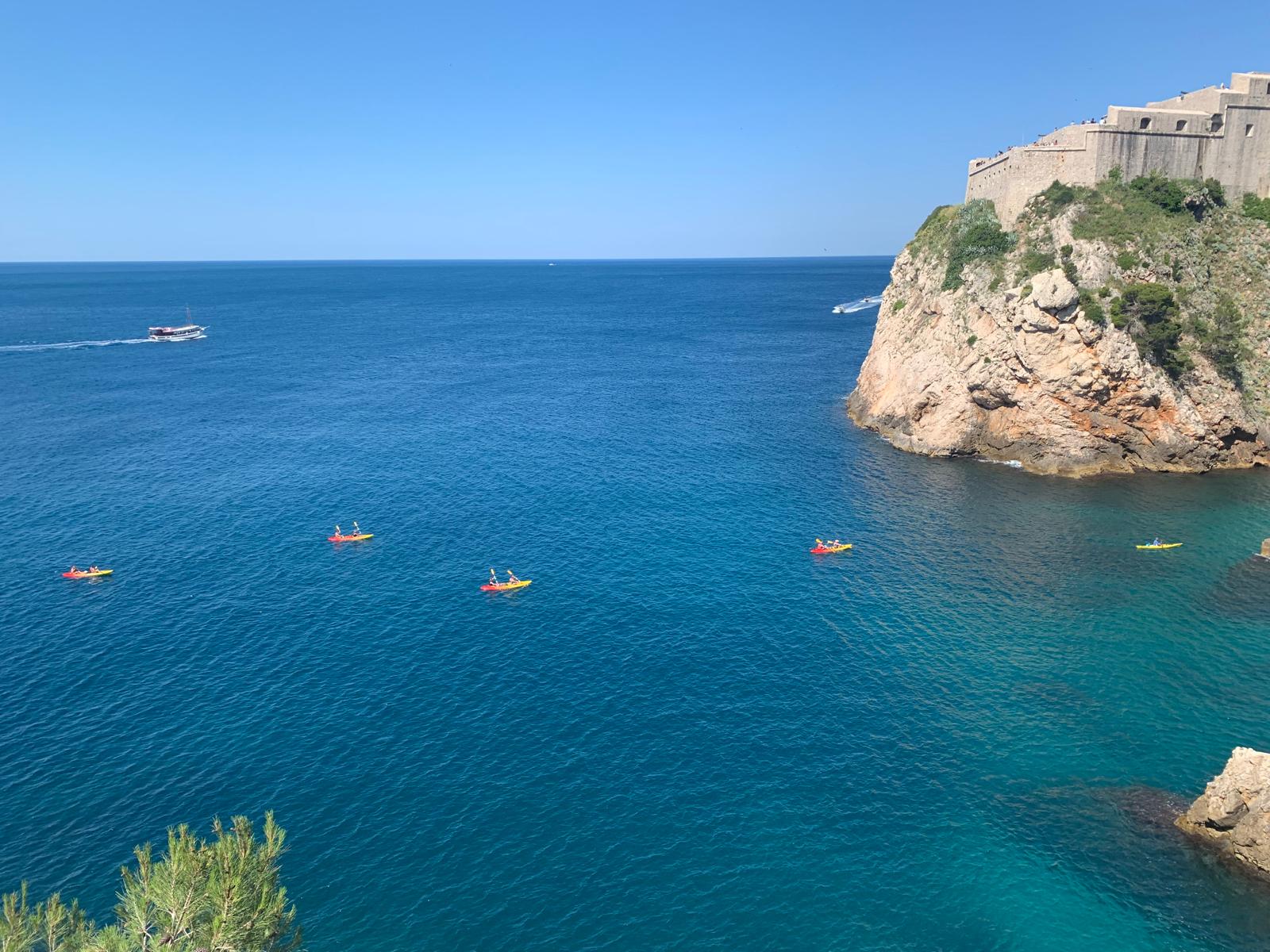
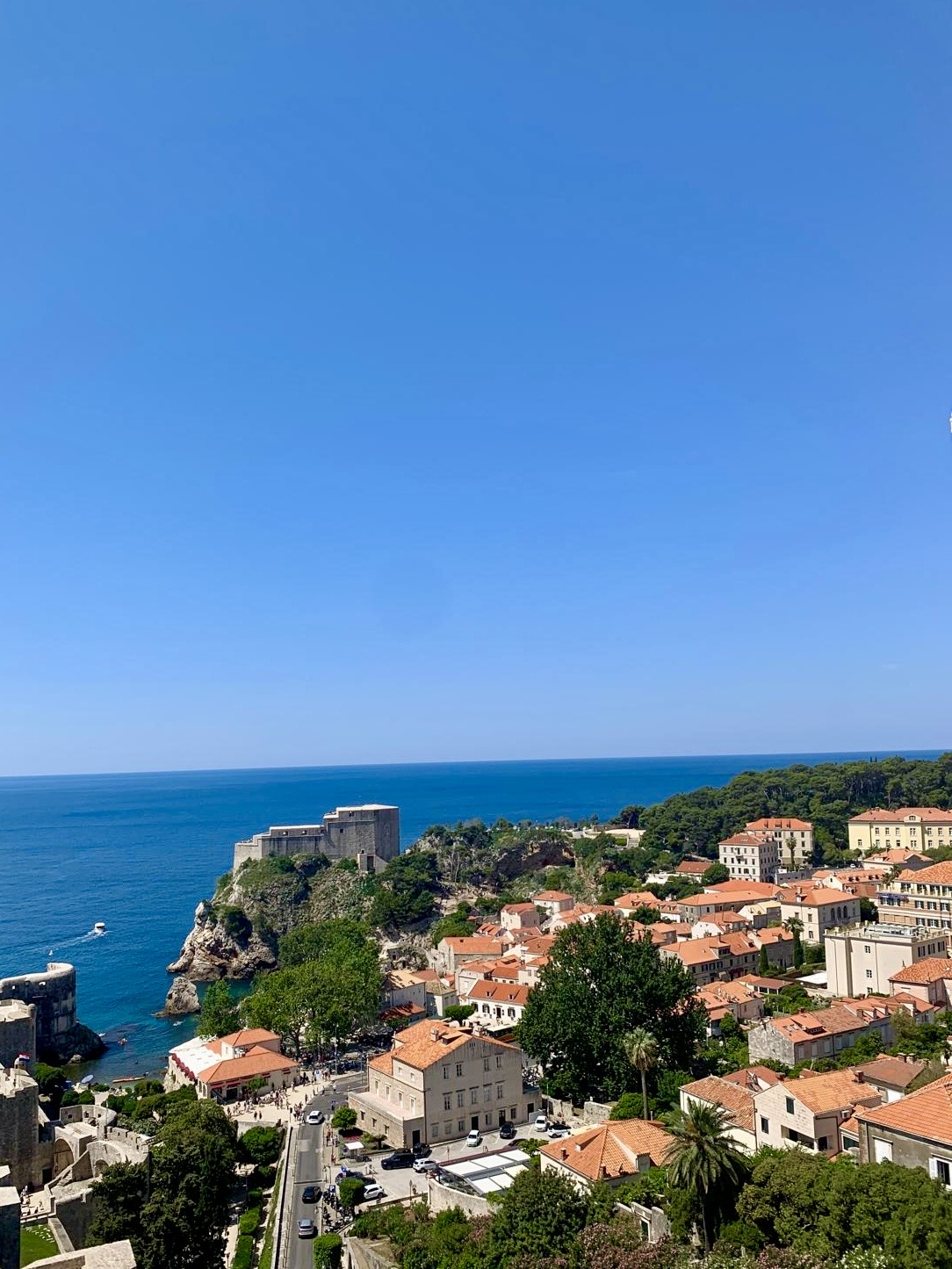
When most travellers think of Croatia, they think first of Dubrovnik, made globally iconic by scenes from Game of Thrones, or of Split, with its Roman history and animated Riva promenade. Both are extraordinary and absolutely worth visiting. I rarely add to the conversation around them as they’ve already been explored so comprehensively. Instead, I turn to what lies between and beyond: the Makarska Riviera, a ribbon of coastline stretching roughly 60–70 kilometres along the Adriatic in Southern Dalmatia, where mountains descend dramatically toward the sea and beach days become ritual rather than recreation.
Arriving from Split – A1 Motorway vs D8 Adriatic Highway
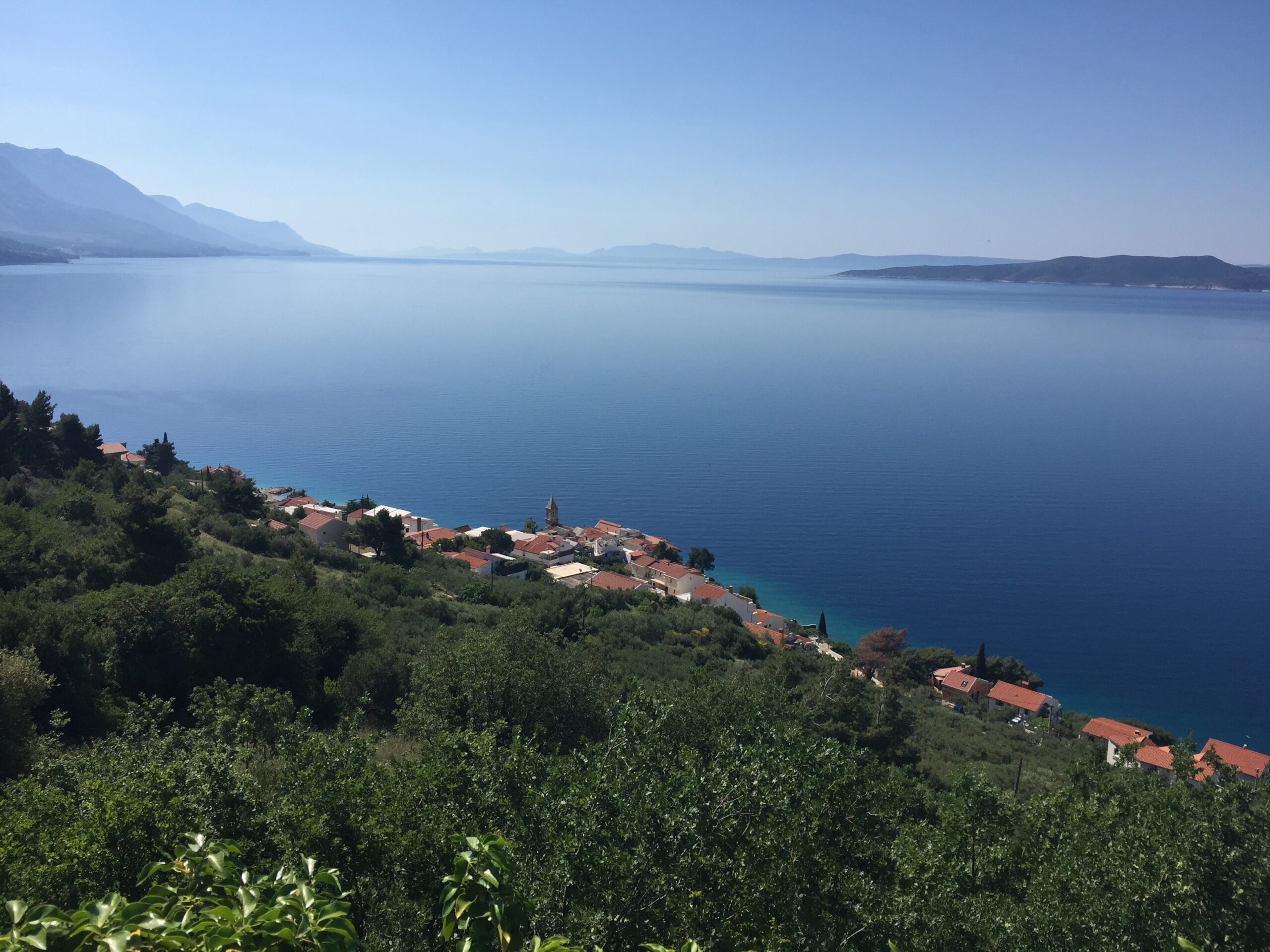
The approach alone sets the tone. From Split Airport it is roughly 60 kilometres to Makarska town, just over an hour depending on traffic. You can take the A1 highway (a toll road, payable by card or euro, with clearly marked speed limits and immaculate surfaces) or remain lower along the coast via the D8 Adriatic Highway, the older road that curves intimately along the shoreline. The motorway is efficient and engineered for ease; the D8 demands discipline. The Adriatic on a clear summer morning shimmers in layered blues, turquoise, sapphire, deep marine. So vivid they feel almost unreal. Light ricochets off the surface, and it can be genuinely difficult to keep your eyes fixed on the road. Parts of this coastal drive are frequently listed among the most scenic in the world, and once you have experienced it, the ranking becomes irrelevant. The experience is what matters, and it is breath-taking. One practical note: the road curves sharply along the coast and local drivers move quickly, so visitors from the UK may need a little time to adjust to driving on the right.
Arriving from Dubrovnik – Pelješac Bridge, Wine Country & Coastal Drive
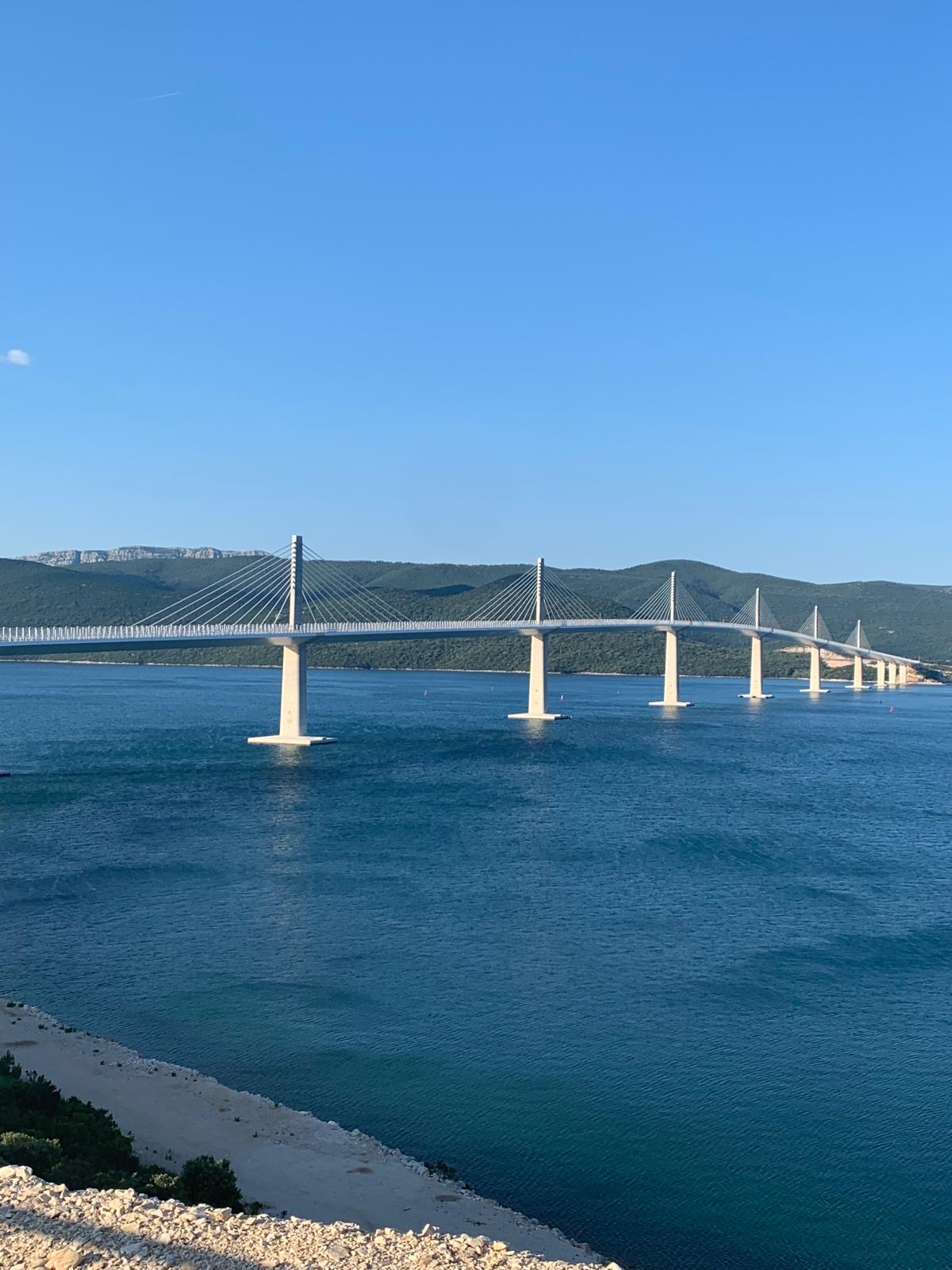
If arriving from Dubrovnik, the journey is longer but equally compelling. Approximately 150 kilometres, or just under three hours depending on stops. The route now crosses the striking Pelješac Bridge, an architectural sweep over open water that replaces the former border crossing and delivers expansive Adriatic views. Beyond the bridge, the drive threads through the Pelješac peninsula , Croatia’s celebrated wine country, before reconnecting with the D8 coastal road toward Makarska. Vineyards roll gently inland while the sea reappears in luminous intervals. A brief detour toward Ston offers the opportunity to sample freshly harvested Adriatic oysters, briny and delicate, often paired with local white wine , a reminder that even the transfer between destinations can become part of the ritual. This is not simply a journey between airports and beach; it is an introduction to the landscape itself. One practical note: summer traffic along the coastal D8 can be extremely heavy, particularly in July and August, so allow far more time than you think you will need.
Makarska Town Scale – Seasonality & Setting
Makarska town itself is modest in scale, home to just under 20,000 residents outside peak season. Yet between mid-June and late August, that number swells dramatically. Visitors arrive primarily from Central and Eastern Europe, joined by Germans and Italians who have long understood the rhythm of this coast. Despite the summer influx, Makarska retains its character. It is not flashy. Does not perform. It is a beach town anchored between the Adriatic Sea and the dramatic Biokovo mountain range, a geography so striking it feels almost theatrical. The mountains rise sharply behind the promenade, protective and constant, reminding you that this is not just coastline. It is landscape layered with depth.
The Beaches – Pebbles, Pine & Adriatic Clarity
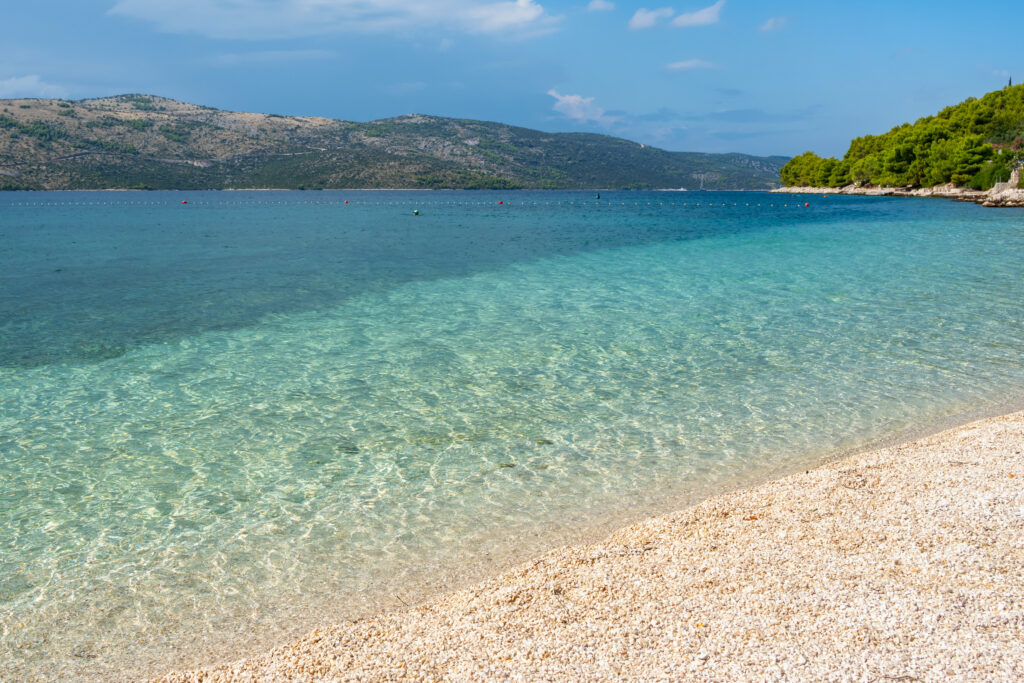
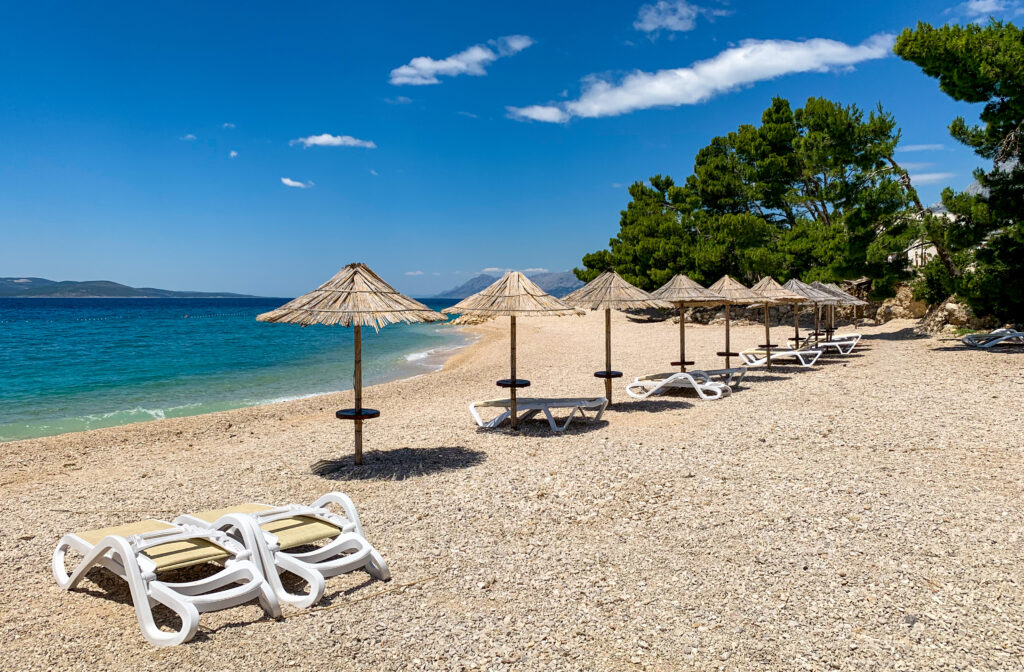
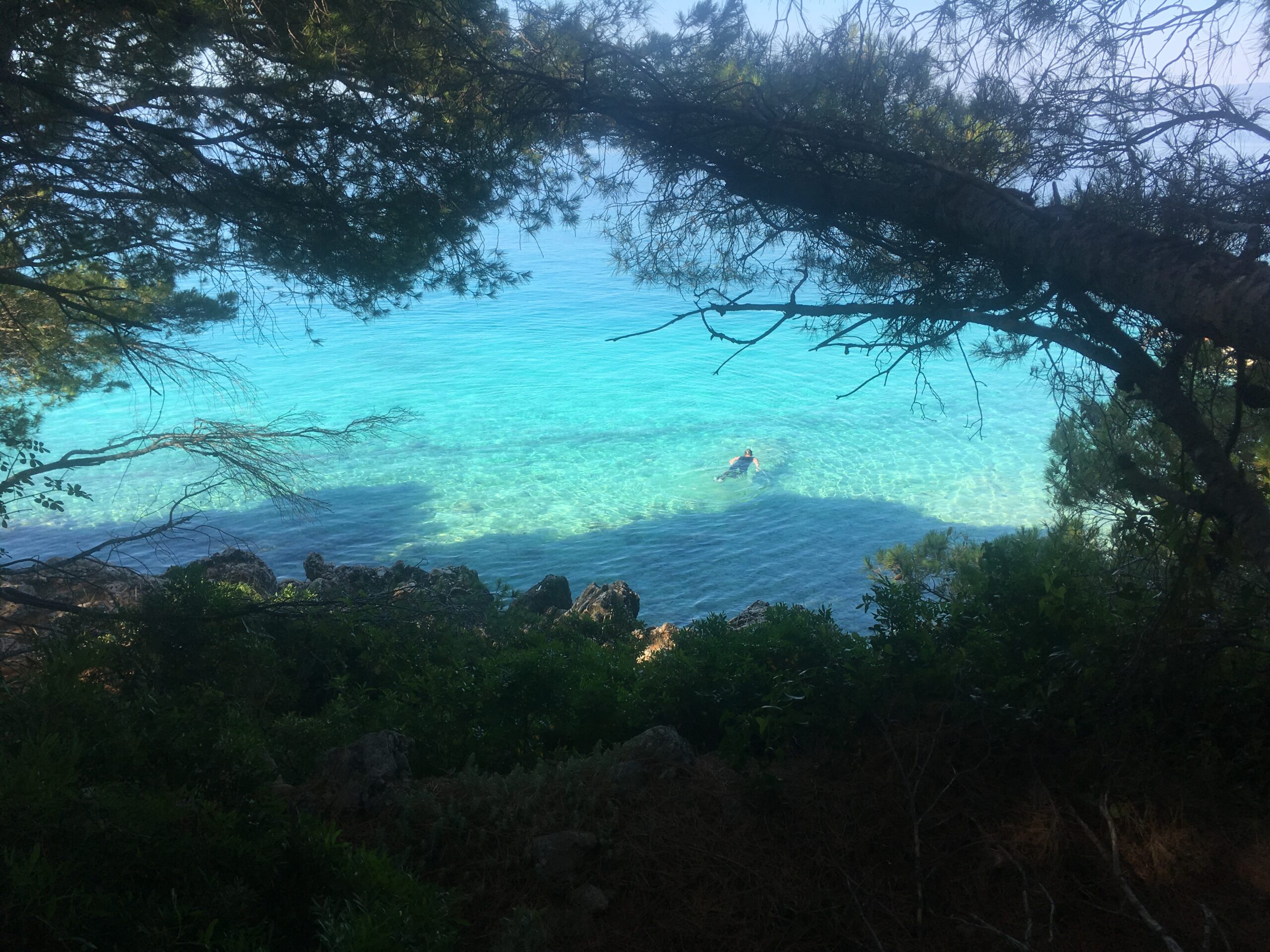
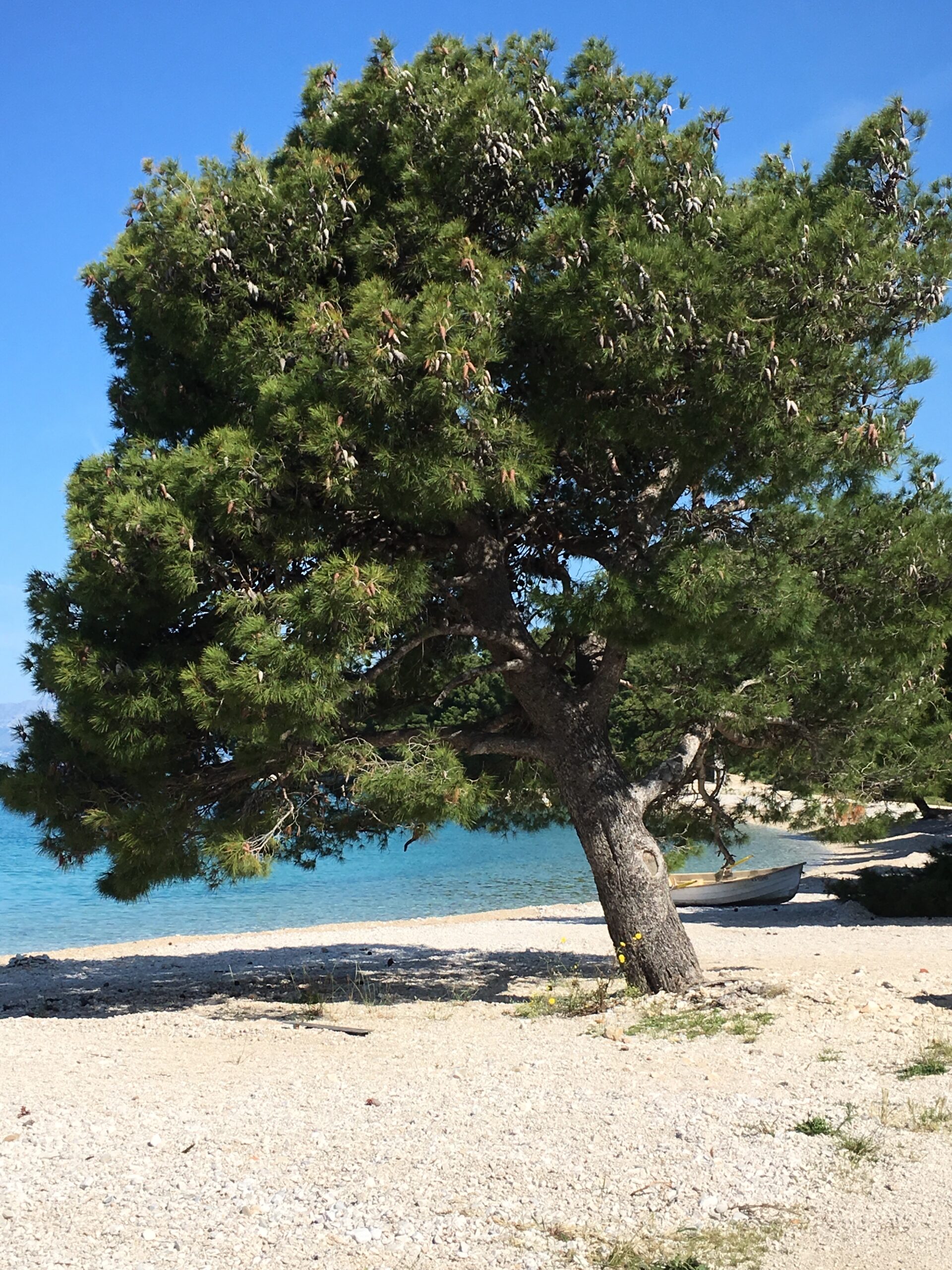
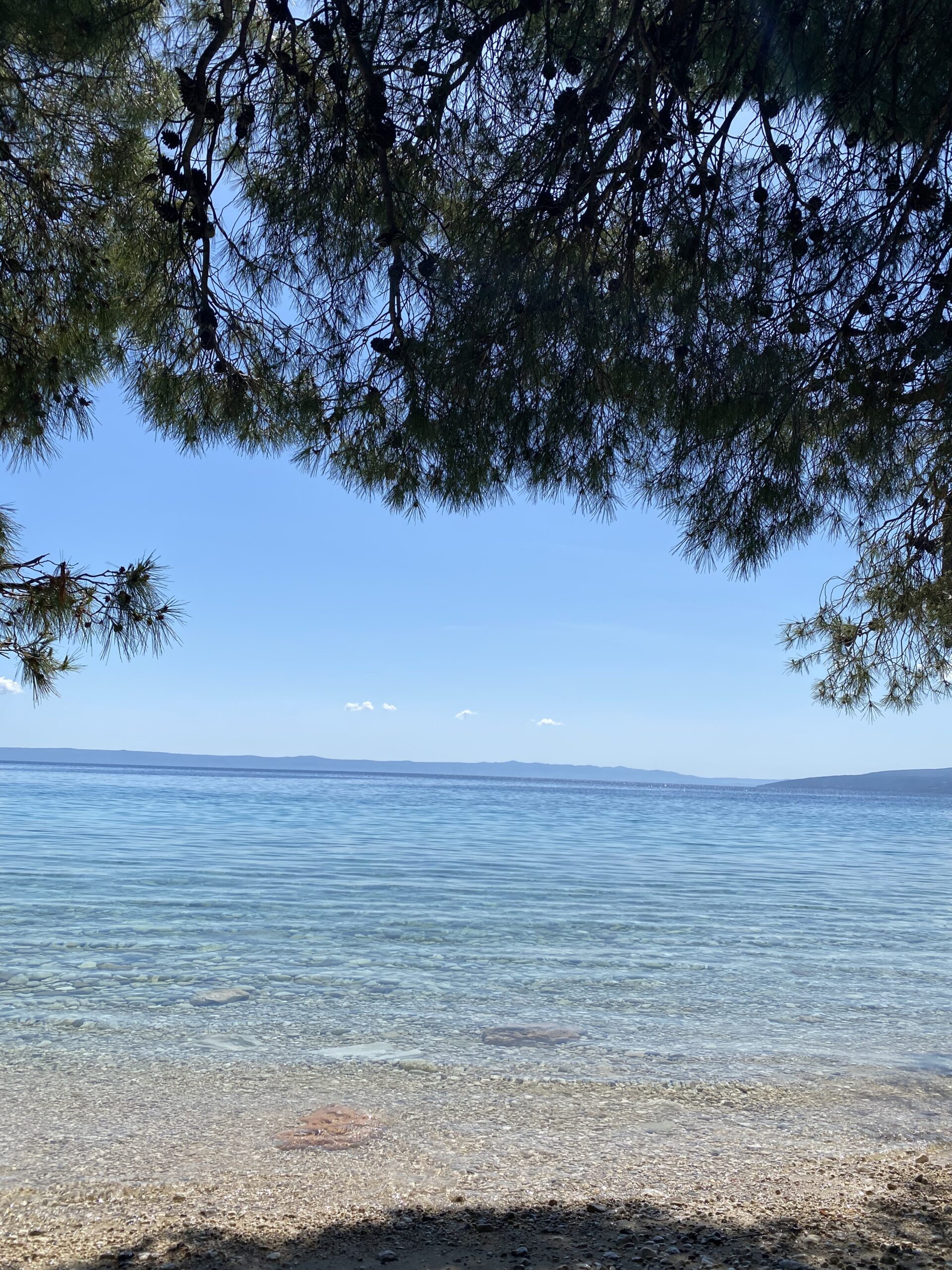
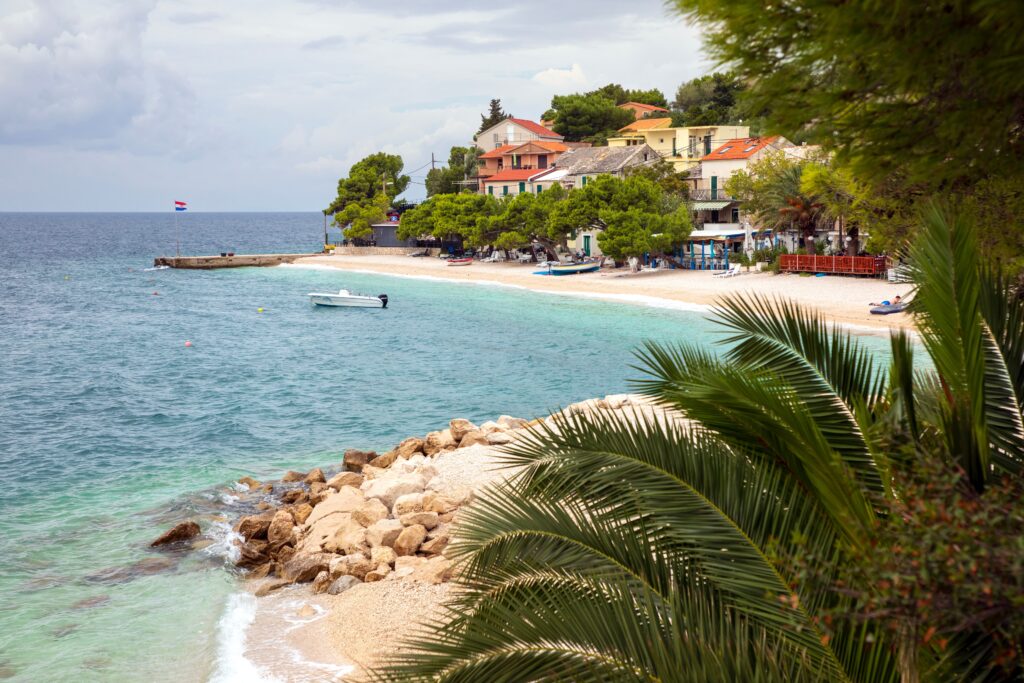
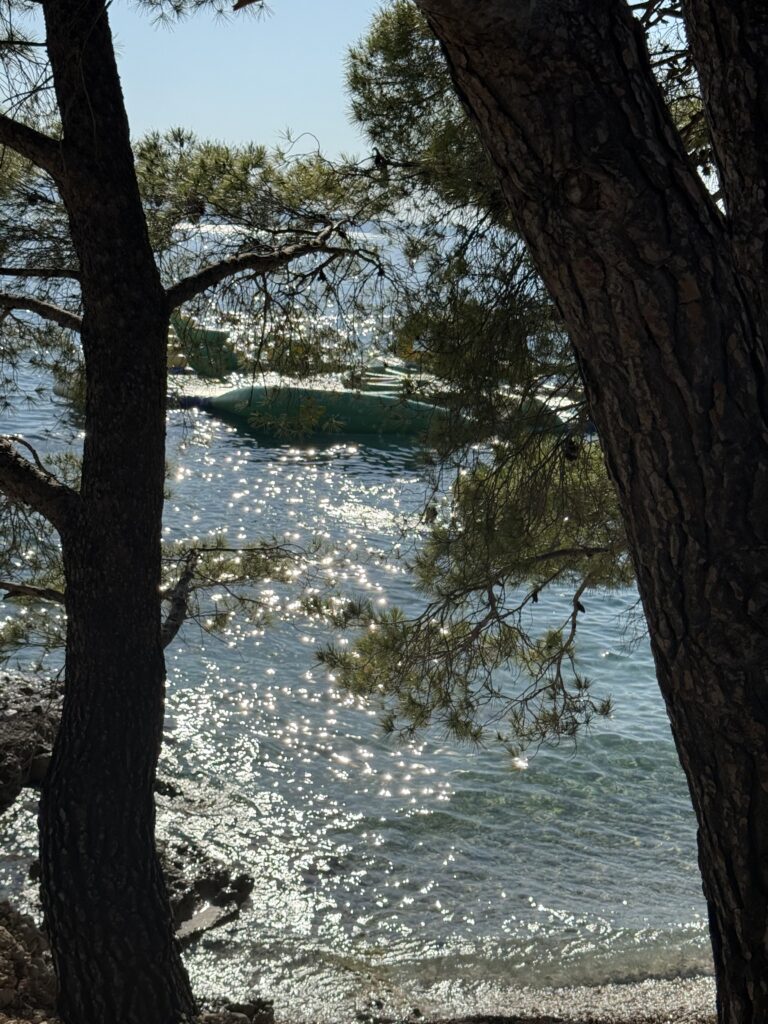
This is a beach holiday in the purest sense. If you are searching for white sand and palm-fringed shores, this is not that version of the Mediterranean. The beaches here are pebbled smooth, pale stones that warm in the sun and cool instantly beneath your feet as you step into the water. The Adriatic is crystal-clear, saline, and exceptionally clean. You can see straight through it. It remains relatively cool until late June, but by July it becomes deeply inviting and often stays comfortably warm through September and, increasingly, into early October. Dense pine trees line much of the coastline, offering natural shade and releasing a resinous scent that blends with salt air in the afternoon heat. The scent alone signals summer to me now.
Early Mornings – Runners, Fishermen & Ritual
Early mornings belong to runners and fishermen alike. By 5 a.m., the promenade is hushed and silver, blue. Fishing boats shift gently in the marina. Men move quietly, preparing nets, checking ropes, greeting one another with understated familiarity. A handful of runners trace the curve of the waterfront, sharing the cool air before the day turns decisive. By 6:30 the sun is already rising, and the heat begins to build with intention. Summer here does not ease in gently. It arrives. The Adriatic breeze can mislead you into underestimating the strength of the sun, but strong sunscreen with serious protection is not optional it is essential. Especially in July and August. The reward for rising early is a Makarska few visitors see: long shadows stretching across stone, quiet water, a sense of ownership over the morning.
Coffee Culture – The Art Of Lingering
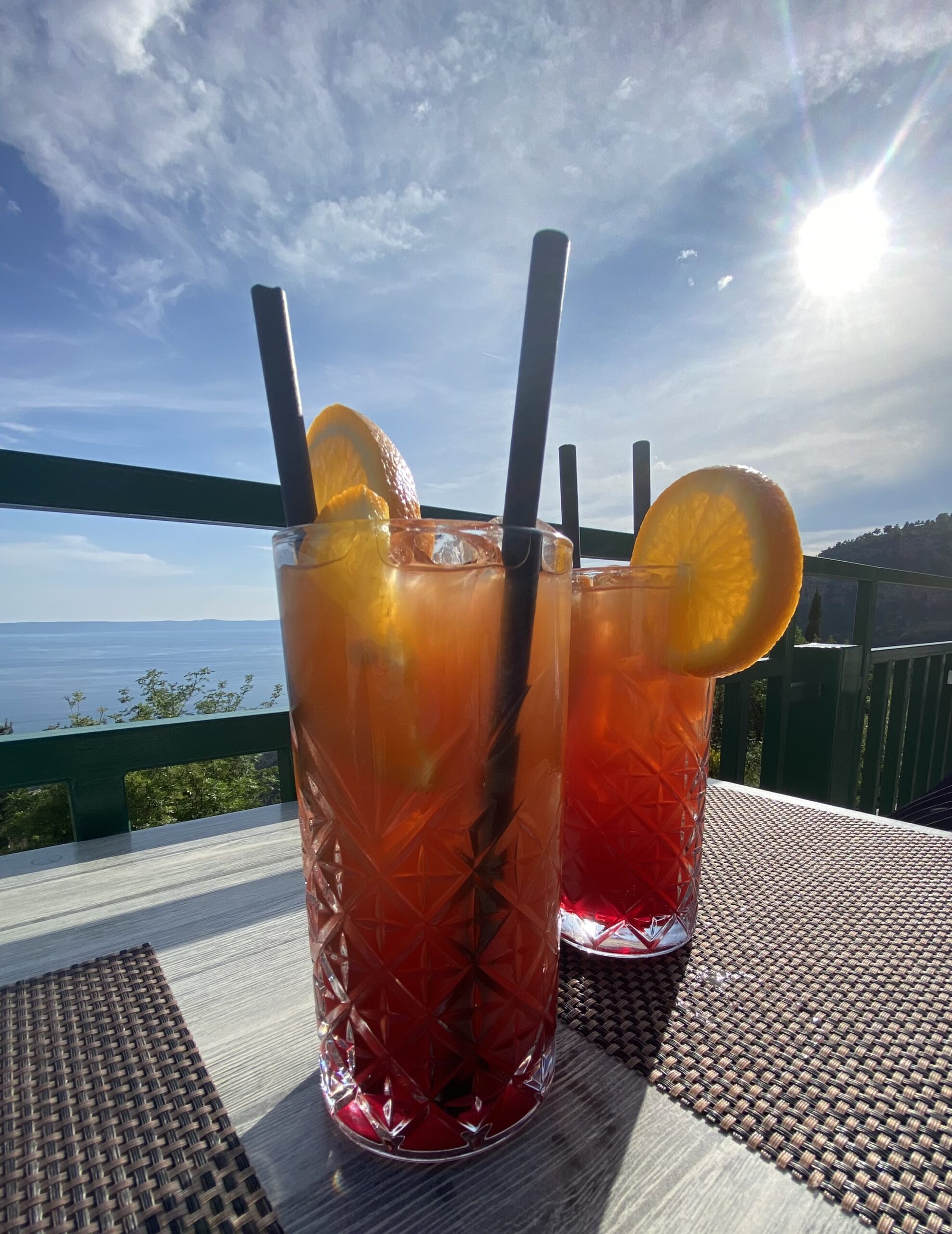
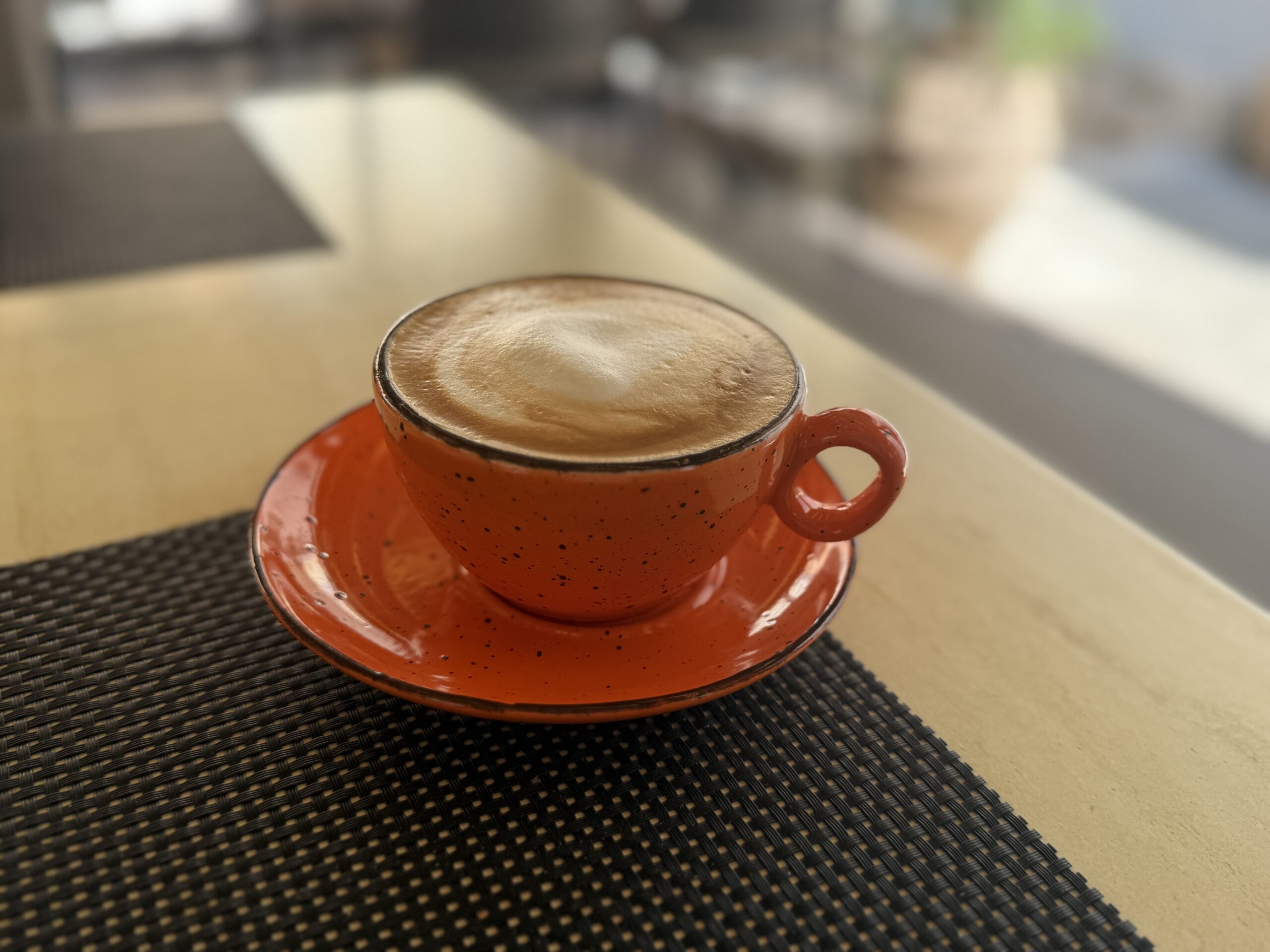
After a run and a shower, mornings slow deliberately. Coffee in Croatia is not rushed. You do not grab it to go. You sit. linger and talk. One espresso can stretch into an hour because the point is not caffeine; it is connection. Entire conversations unfold over a single cup. There is something deeply grounding about this culture of pause. I have my coffee spot in town, (shout out to Giro’s. I don’t think they have a website. Pretty close to the bus terminal) and each late spring or summer when I return, the welcome is warm and familiar. That continuity matters more to me than novelty ever could. Returning to the same terrace, the same seat, year after year has become part of the ritual of belonging.
Finding Space – Walking Beyond The Central Beaches
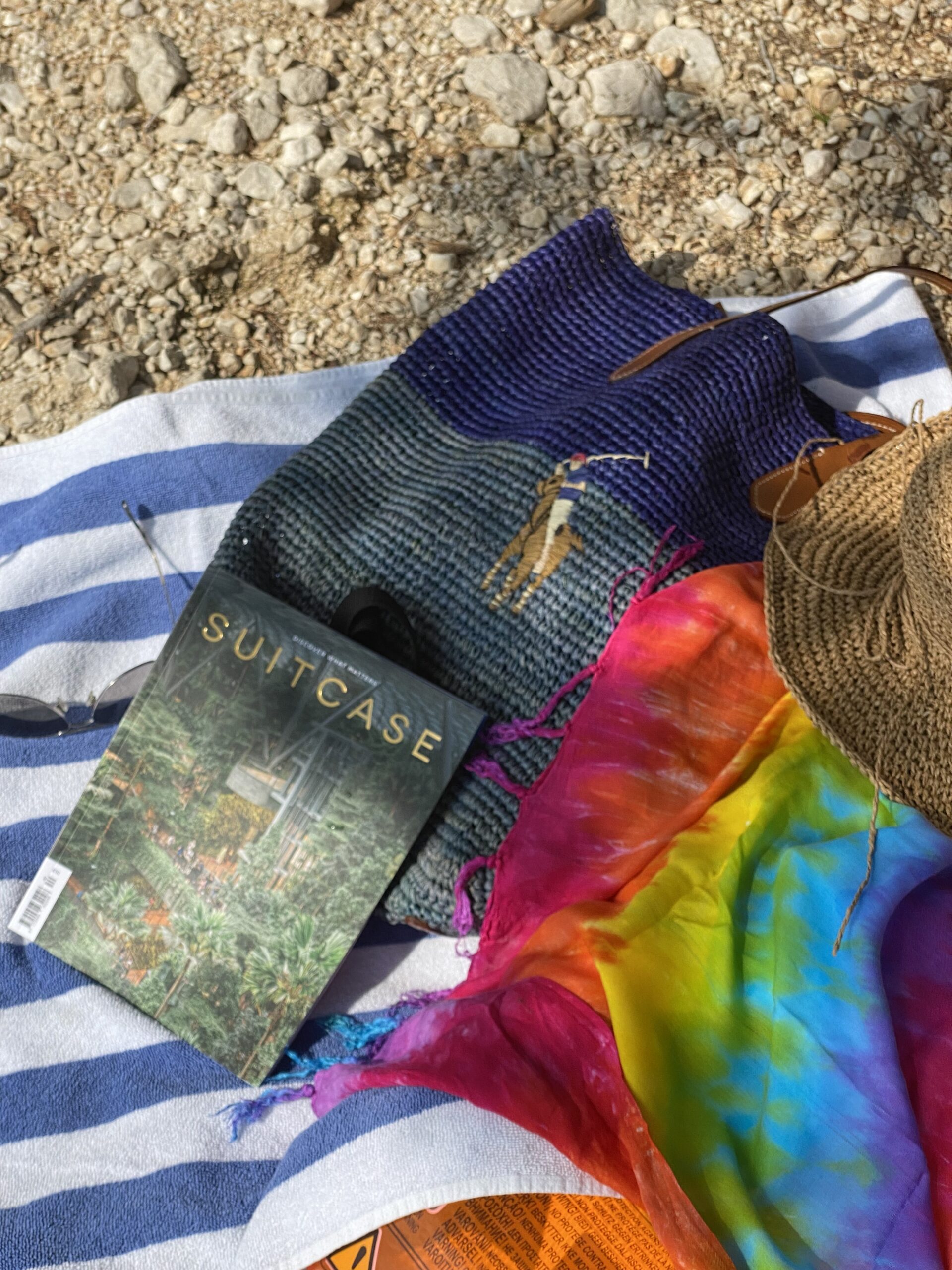
By late morning, around 11 a.m. in peak season, the central beaches begin to fill. Towels line the shore in careful rows. Paddleboards drift lazily near the coastline. Laughter carries across the water. Some days the energy is welcome and communal. Other days call for movement. Two miles along the promenade is not unusual. Walking past beach bars and clusters of sunbathers, the crowds gradually thin. It is not isolation I seek, but space, room to stretch out, to think, to lie back and watch the sky without someone else’s music bleeding into the background. Occasionally, if you wander far enough, you may encounter nudist sections. If that is not your preference, simply continue. There is always another cove waiting. That is the beauty of this coastline.
It gives options without effort.
A Five – Day Makarska Riviera Beach Itinerary
A five-day escape along the Makarska Riviera unfolds beautifully when each day centres on a different beach experience.
Day One
Is for easing in. Stay close to Makarska town. Swim early when the water is calmest. Retreat to your hotel pool during the peak heat, allowing the afternoon to soften. Return to the sea in the early evening when the light turns golden and the intensity of the day fades. In high summer, sunsets stretch luxuriously late. An evening swim beneath a blush-toned sky feels almost suspended in time.
Day Two
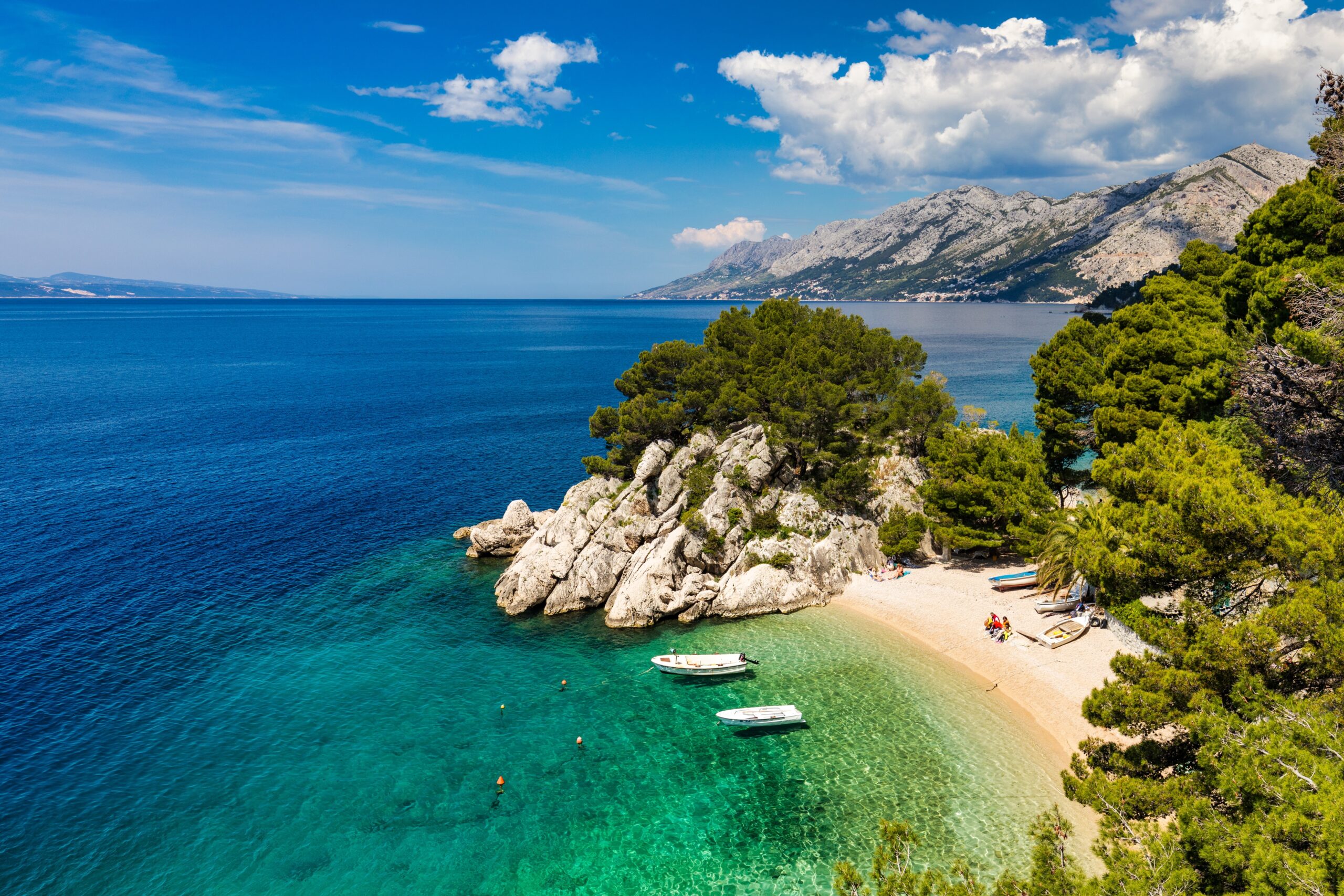
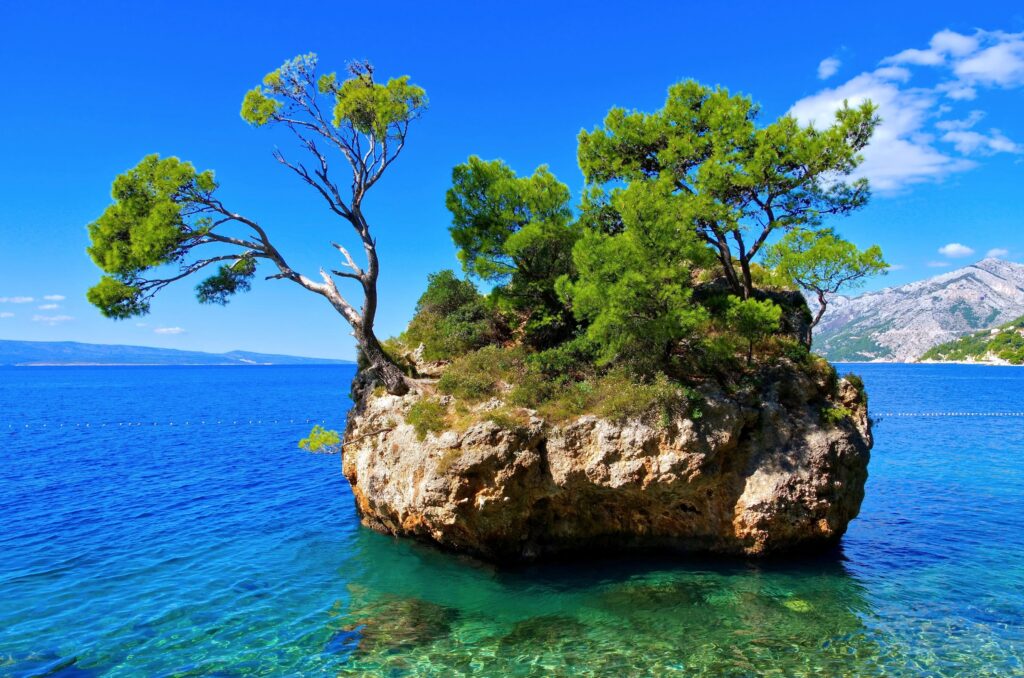
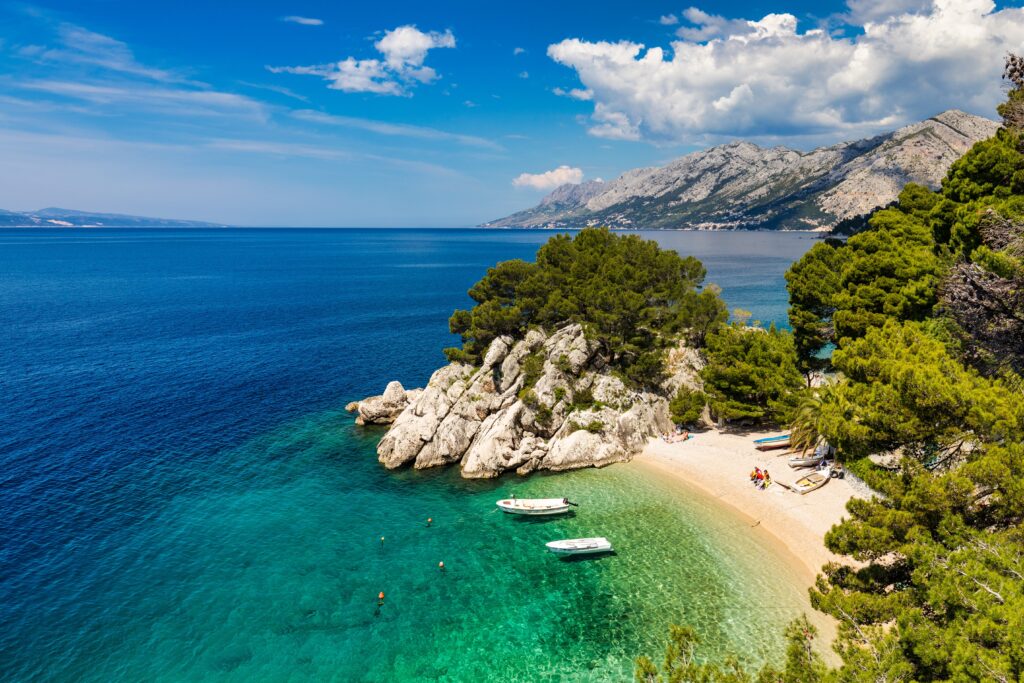
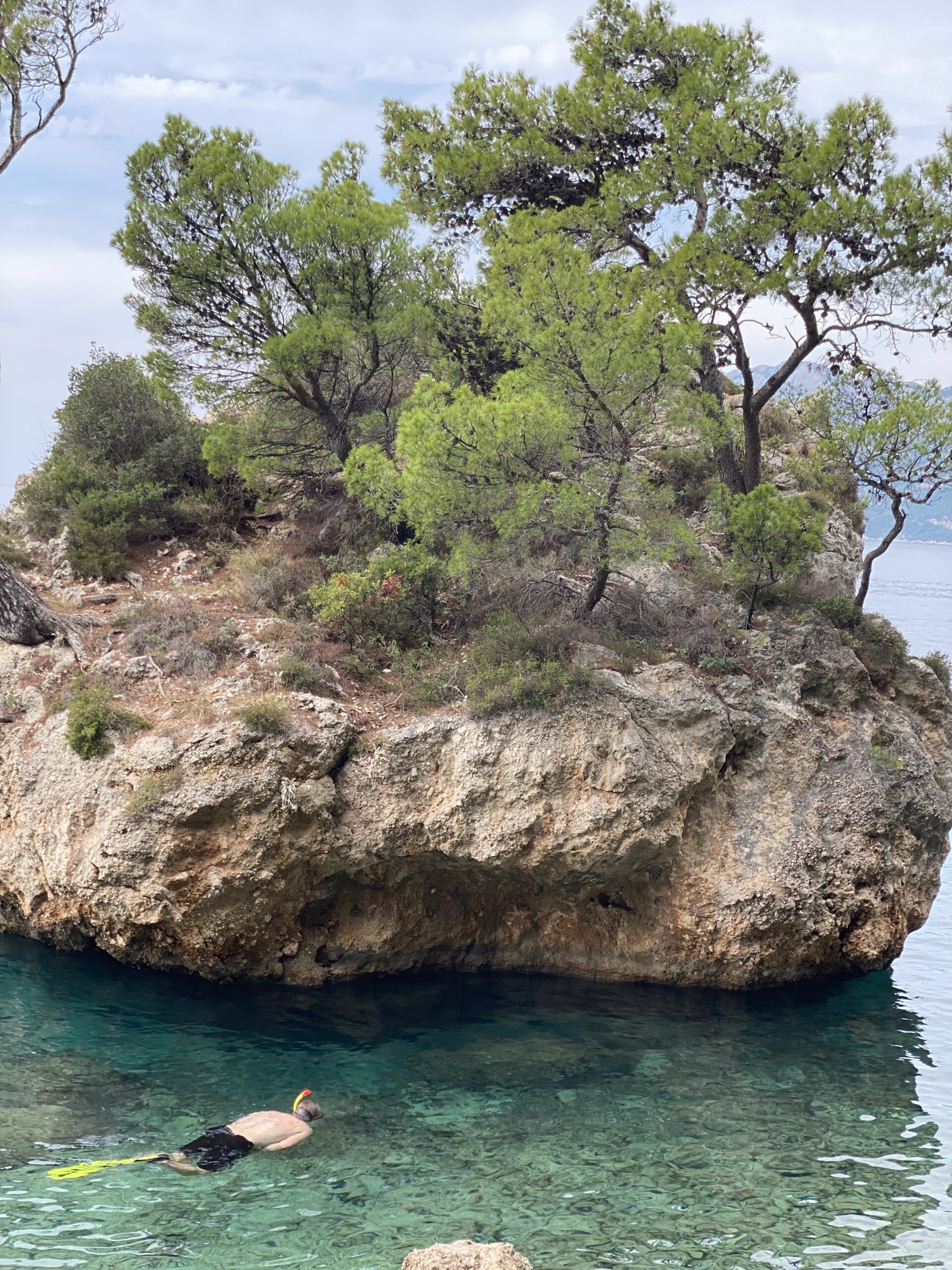
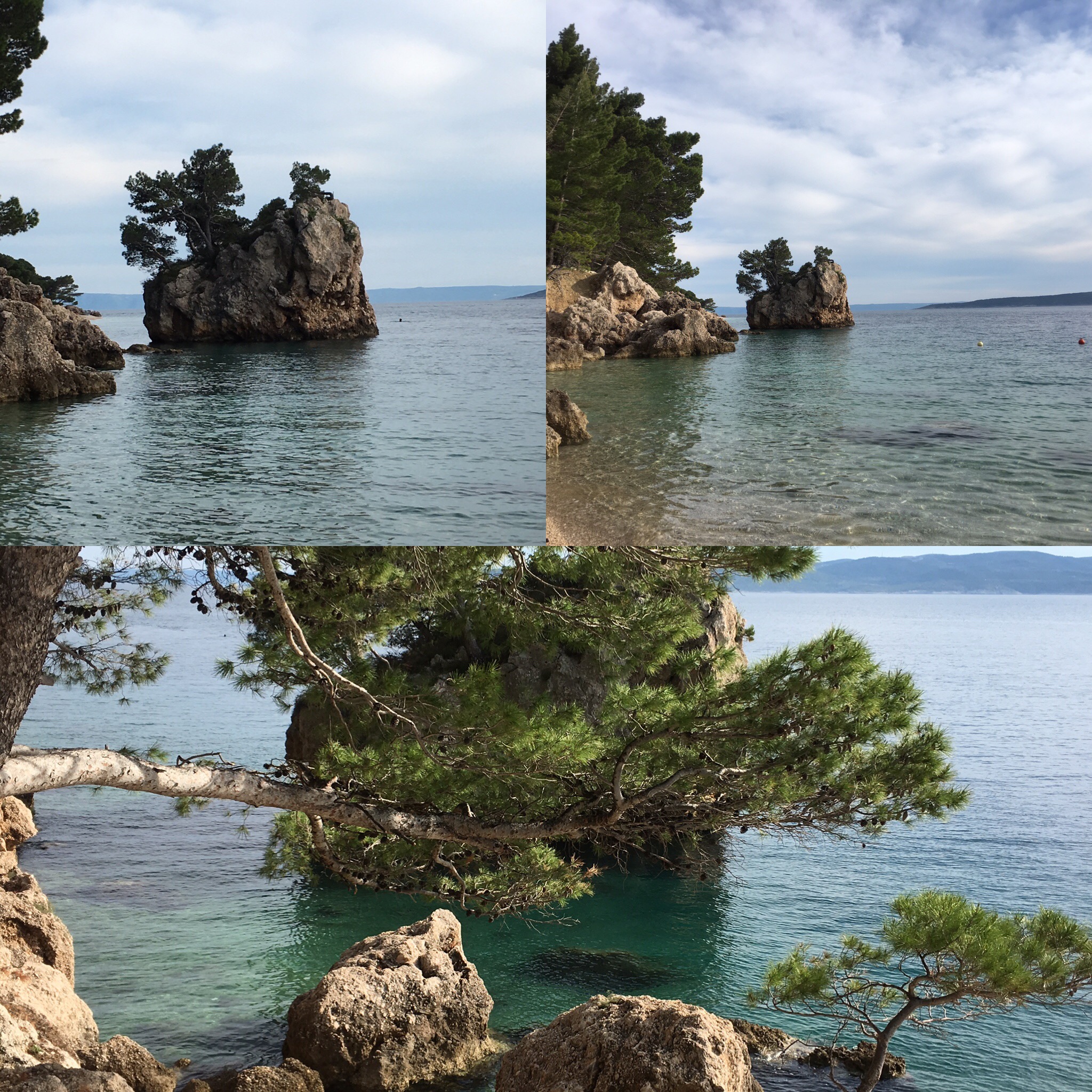
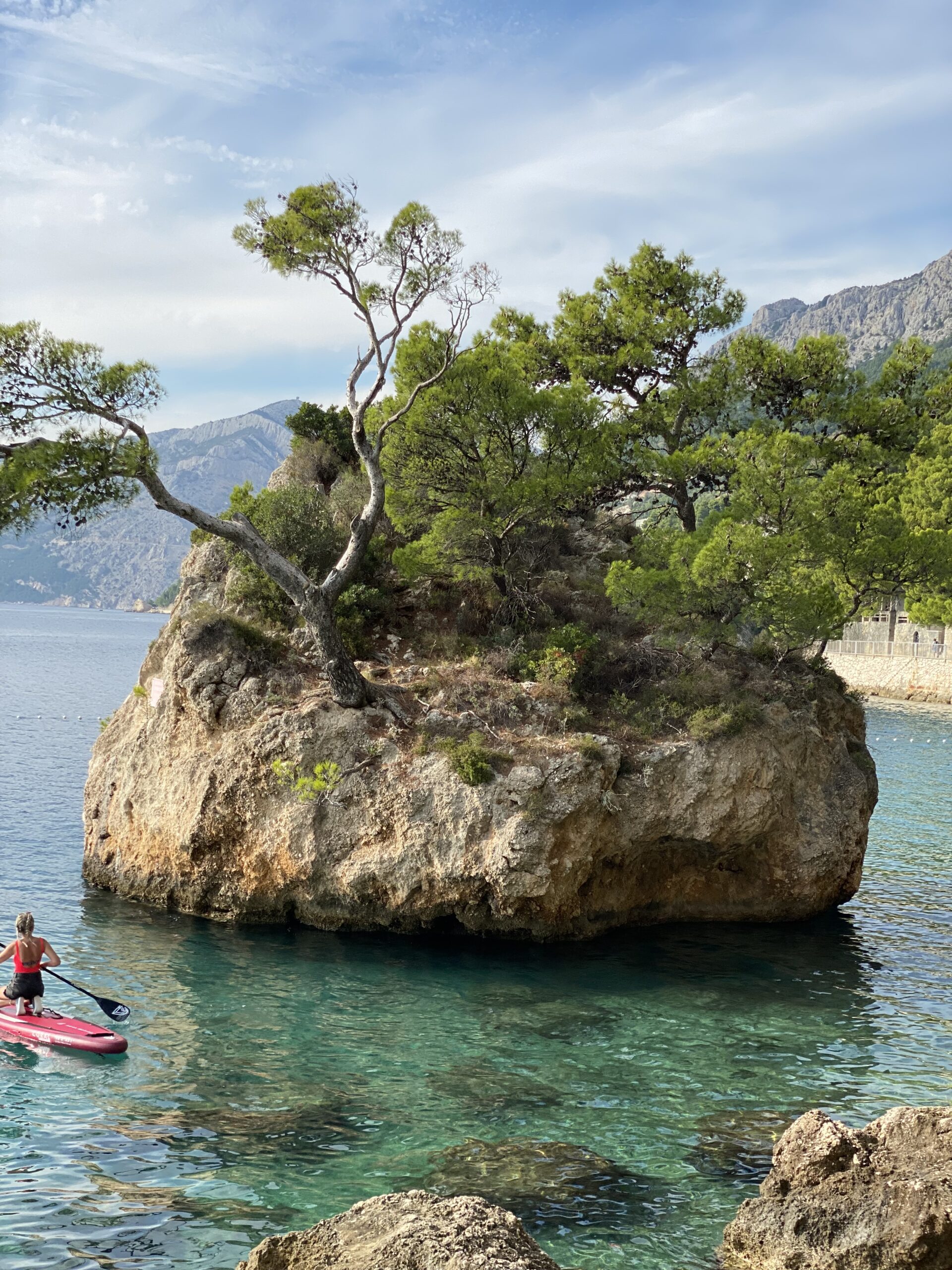
Belongs to Brela. Frequently cited among the most beautiful beach destinations in Europe, Brela pairs astonishing clarity of water with a dramatic mountain backdrop. The iconic Brela Rock, Kamen Brela rises just offshore, sculptural, and unmistakable. The water is so transparent that fish dart visibly between stones metres below the surface. Swimming here feels almost like floating through glass.
Day Three
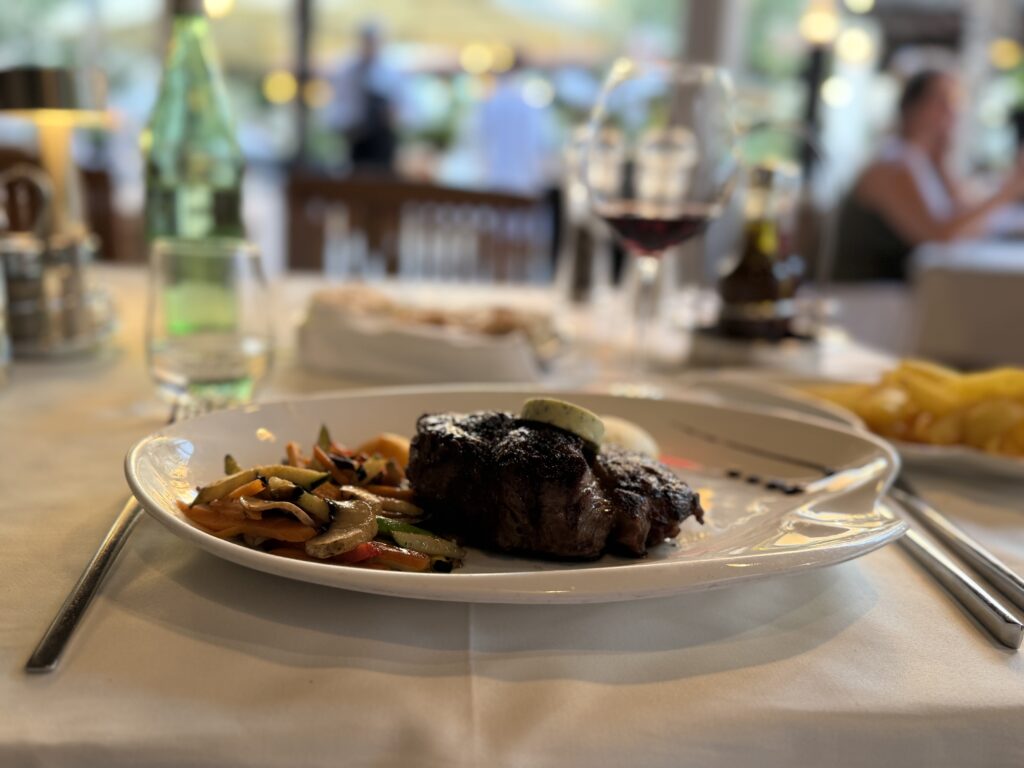
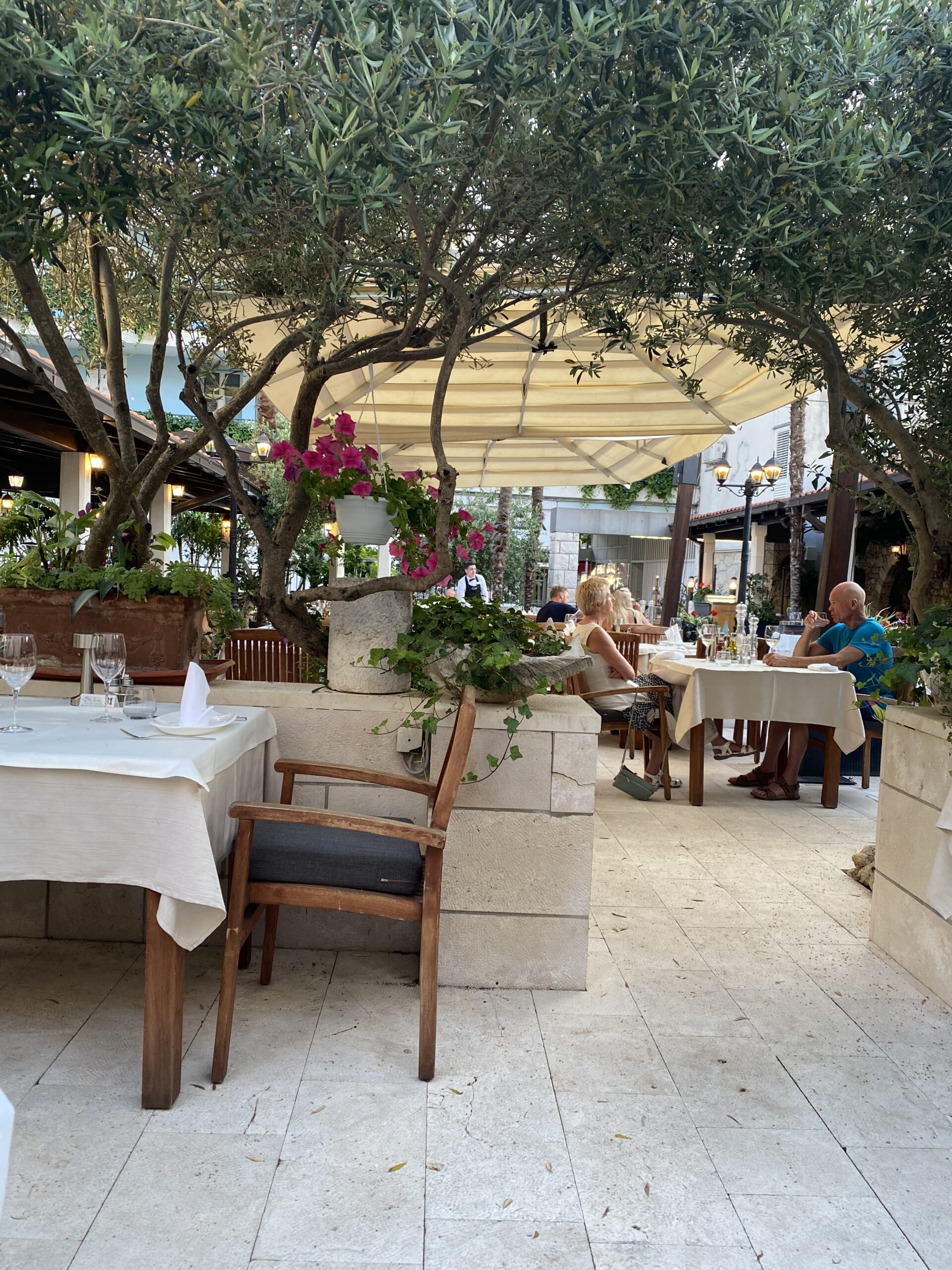
Leads toward Tučepi or Podgora, where the shoreline stretches longer and straighter, offering a slightly different mood less compact, more expansive. The Biokovo mountains loom behind, steady and protective. Lunch at a traditional konoba becomes part of the rhythm: grilled sea bass, octopus salad, olive oil, tomatoes bursting with sweetness. Dalmatian cuisine is not complicated; it is confident in its simplicity.
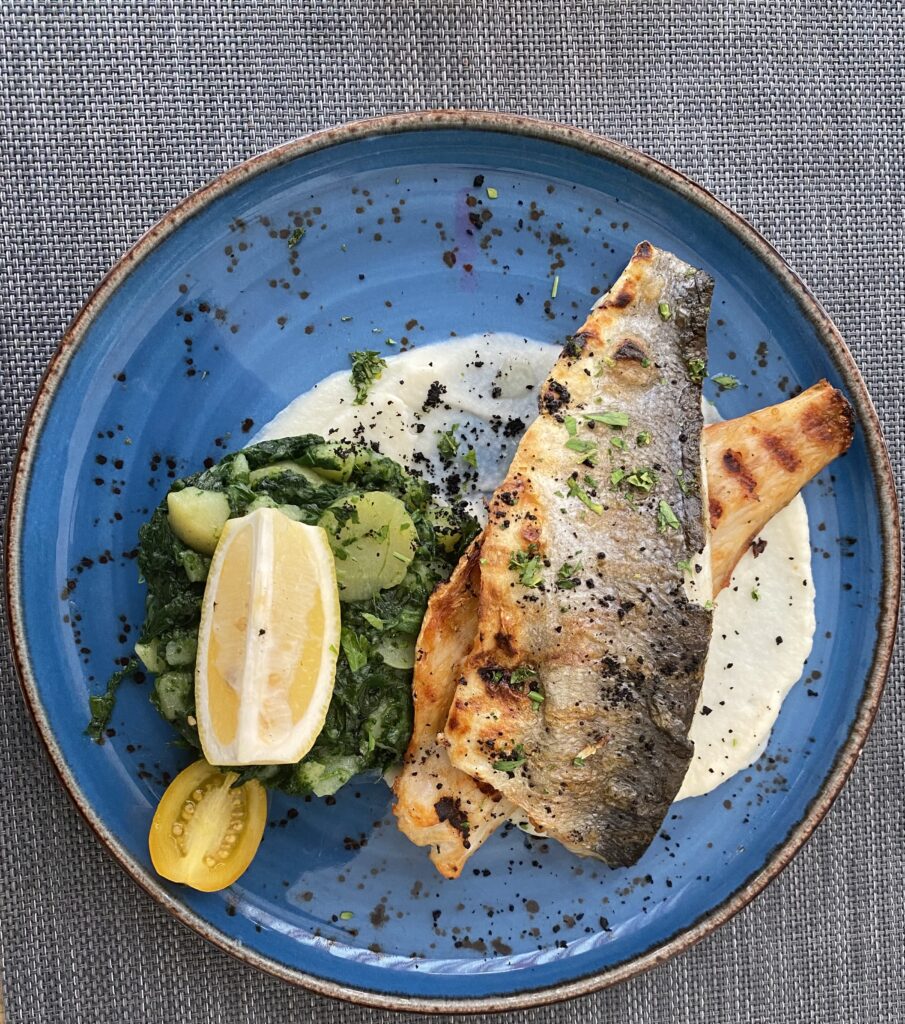
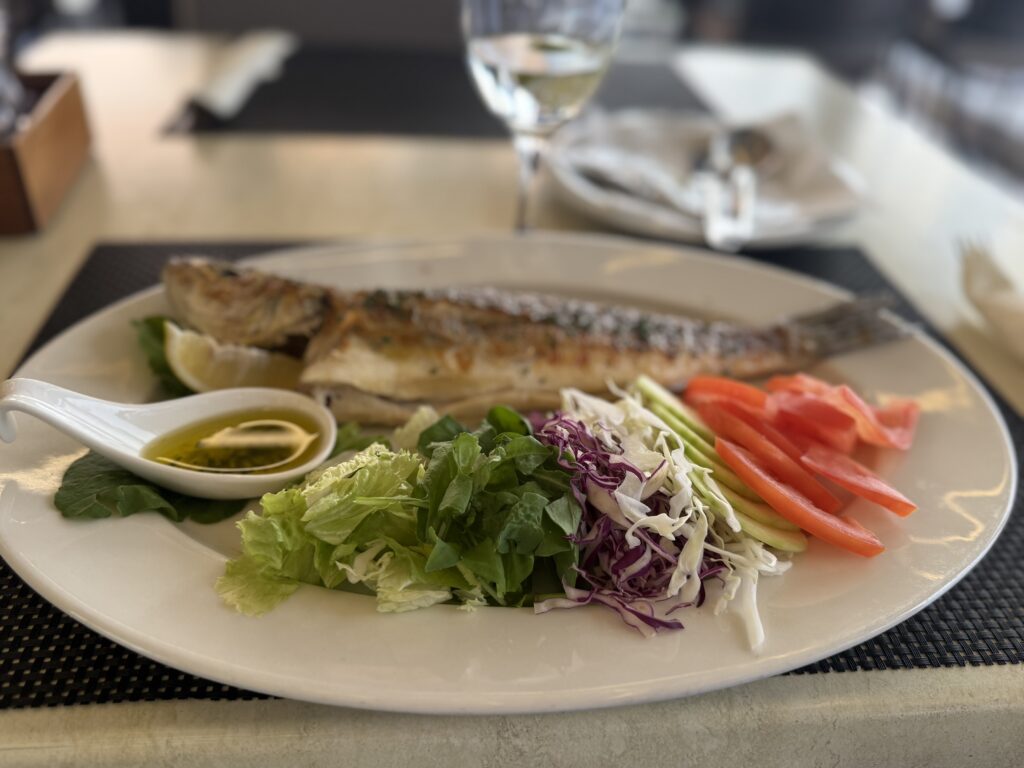
Day Four
Invites the sea itself to become your transport. A boat excursion to Zlatni Rat on the island of Brač is a classic choice. Zlatni Rat often called the Golden Horn one of Croatia’s most photographed beaches, its pale pebble spit extending into aquamarine water in a shifting triangular form. Frequently ranked among the top beaches in Europe and beyond, it earns its reputation quietly. Alternatively, sail toward Hvar and spend time in Jelsa, a softer counterpoint to Hvar Town’s glamour. Seeing the Riviera from the water reframes everything, the mountains appear taller, the coastline longer, the Adriatic endless.
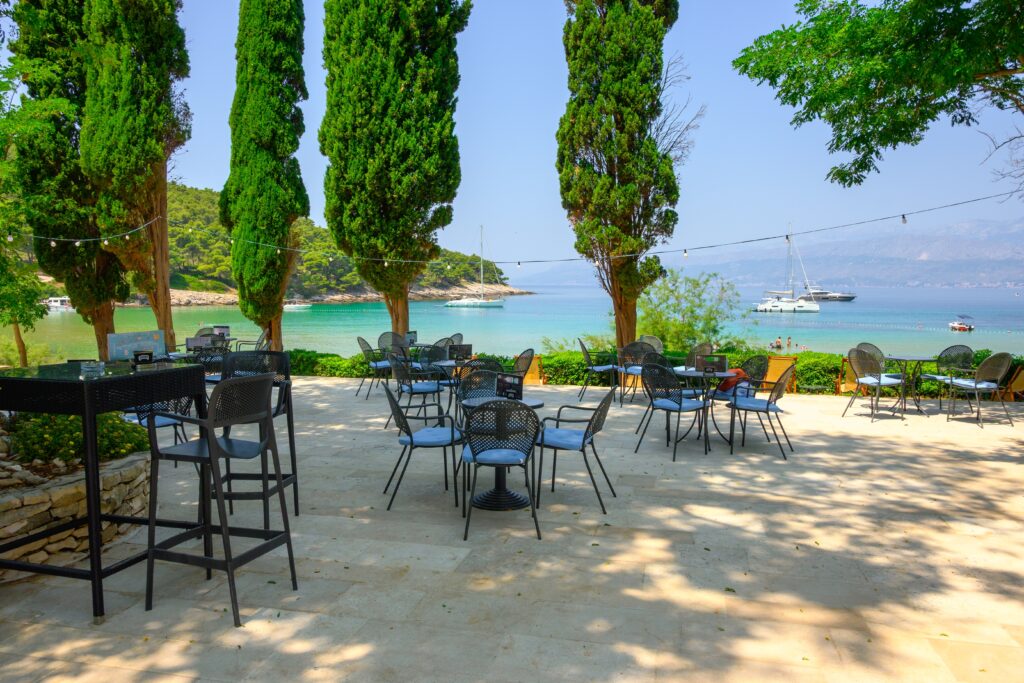
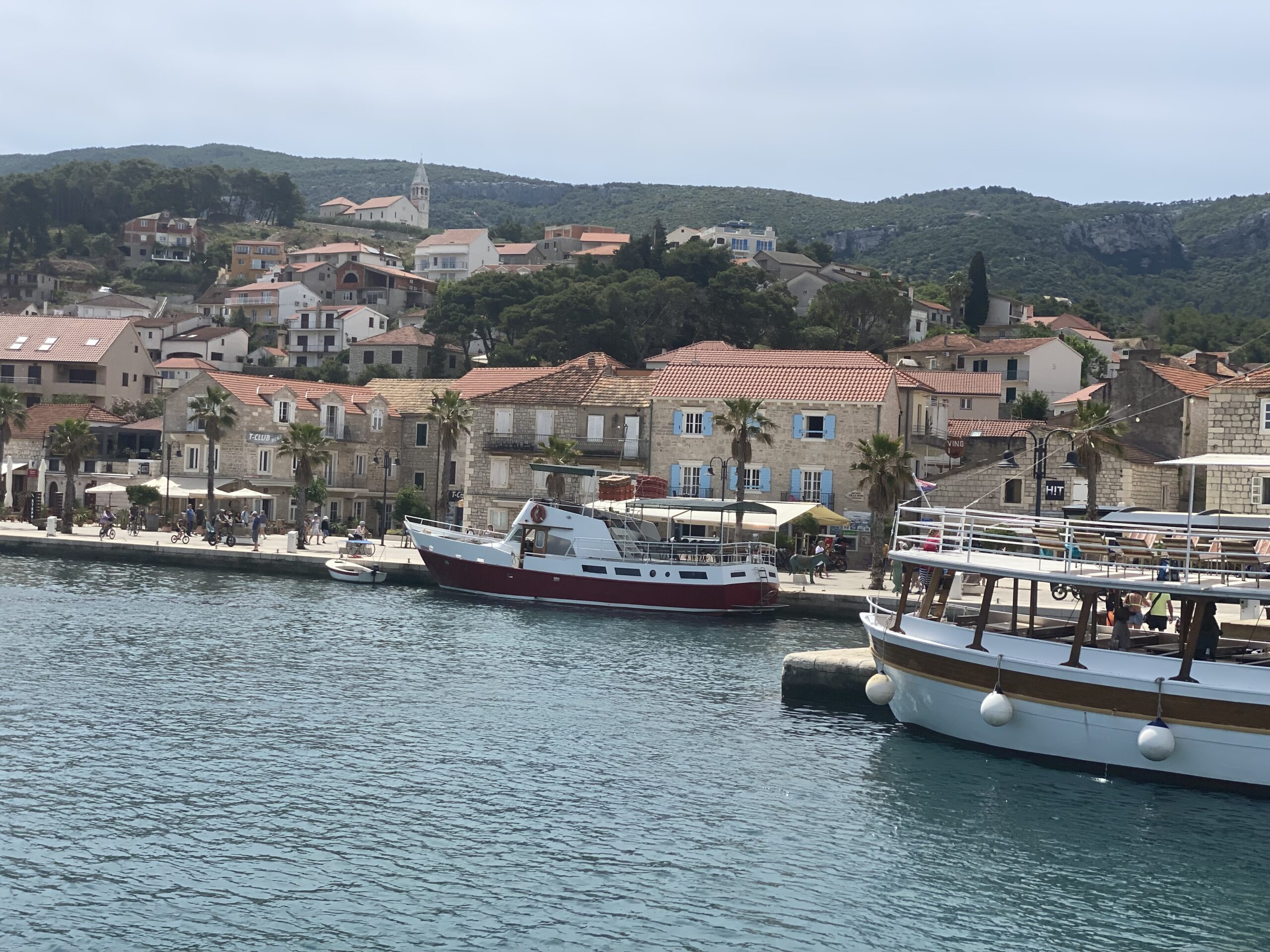
Day Five
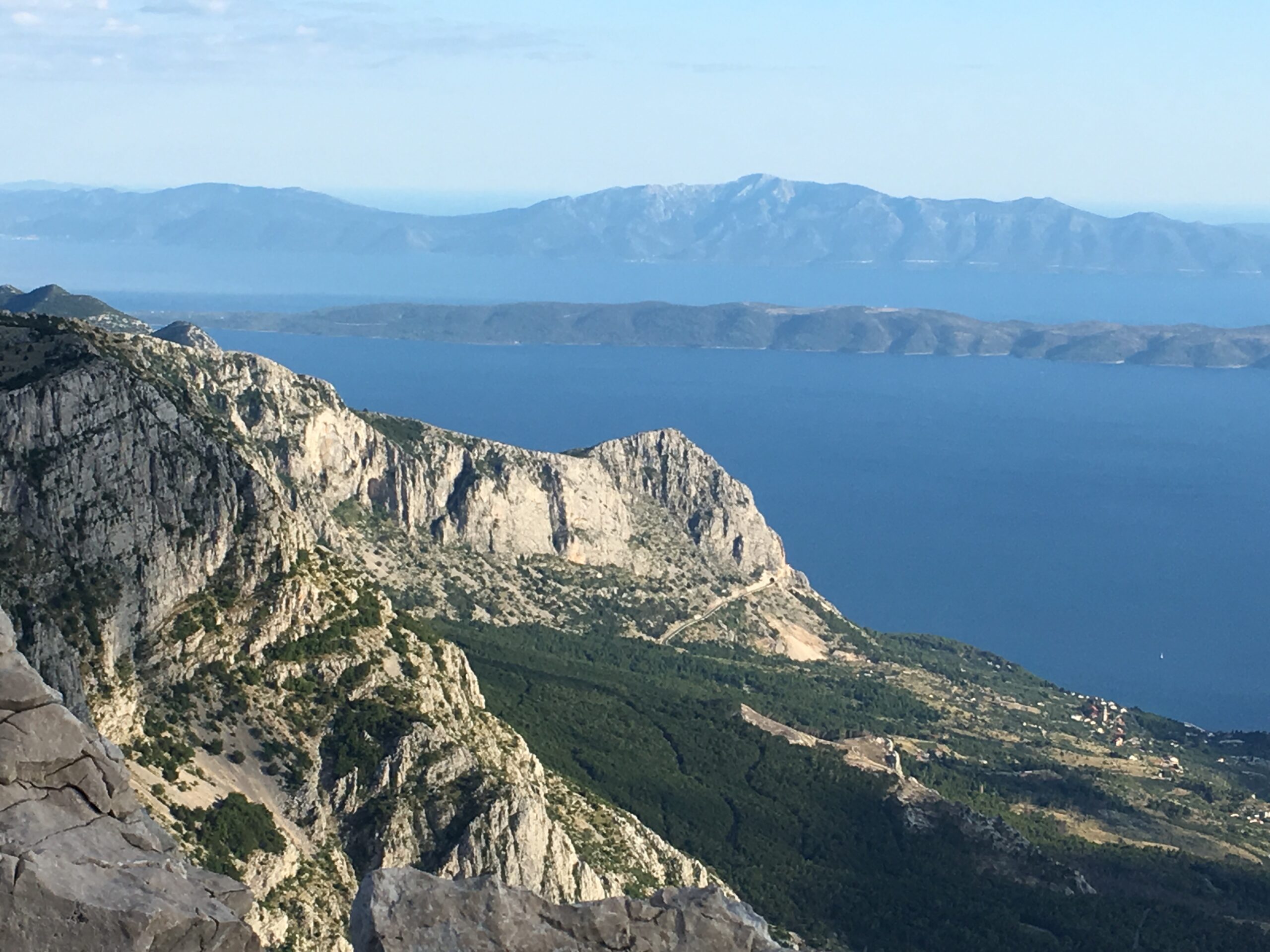
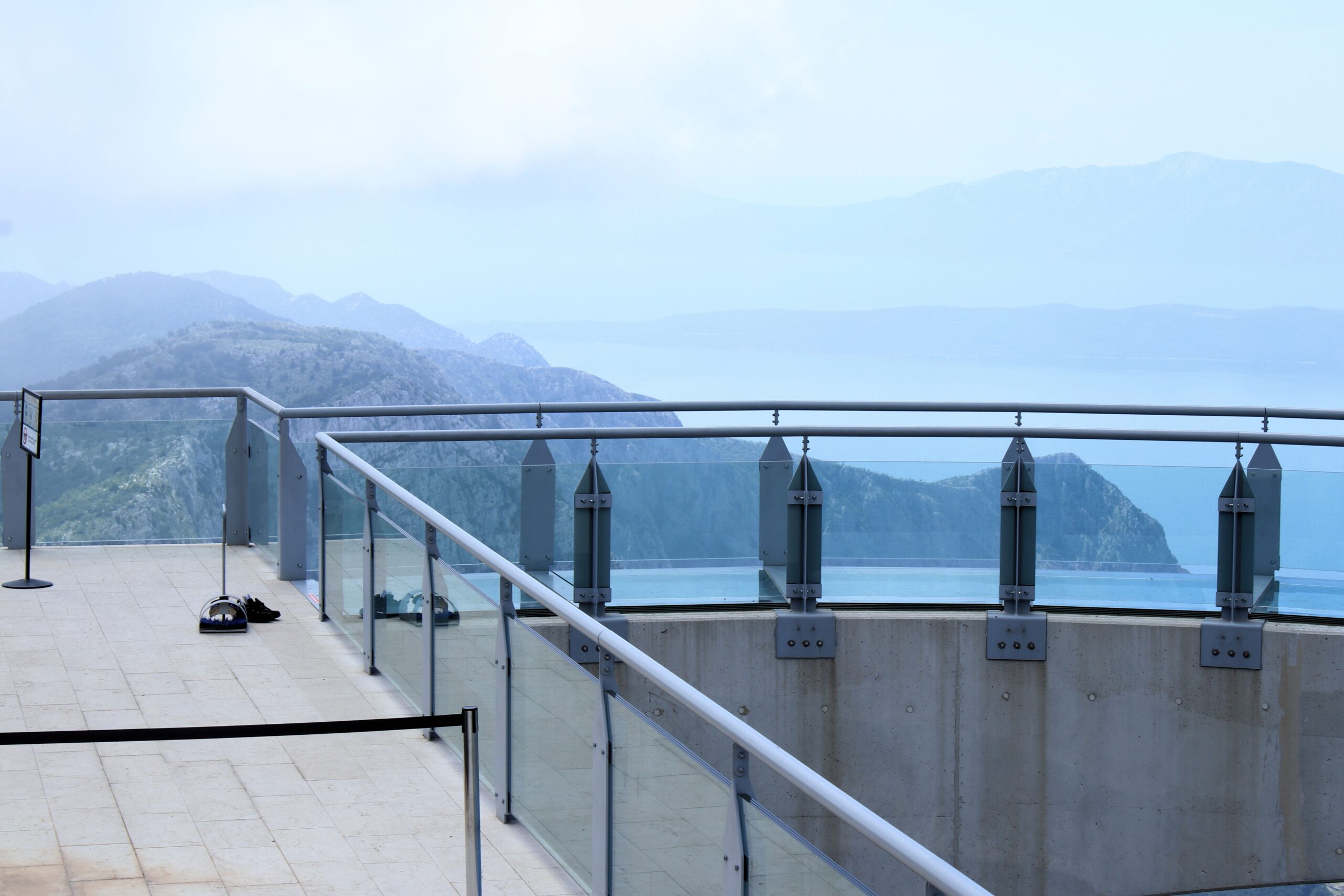
Is for elevation literally. Drive into the Biokovo mountains to the Biokovo Skywalk, a glass platform suspended high above the coastline. Arrive just before sunset. From that vantage point, the entire Riviera unfurls below Makarska town, Brela to the north, islands floating beyond in layered blues. The interplay of fading light and deepening colour is extraordinary. On the descent, stop at a mountain restaurant where traditional Dalmatian dishes are served alongside panoramic views. Dining above the beaches where you swam that morning underscores how beautifully compact this region is, sea, mountain, village, and sky in one sweep.
Evenings In The Town Square – Family, Music & Community
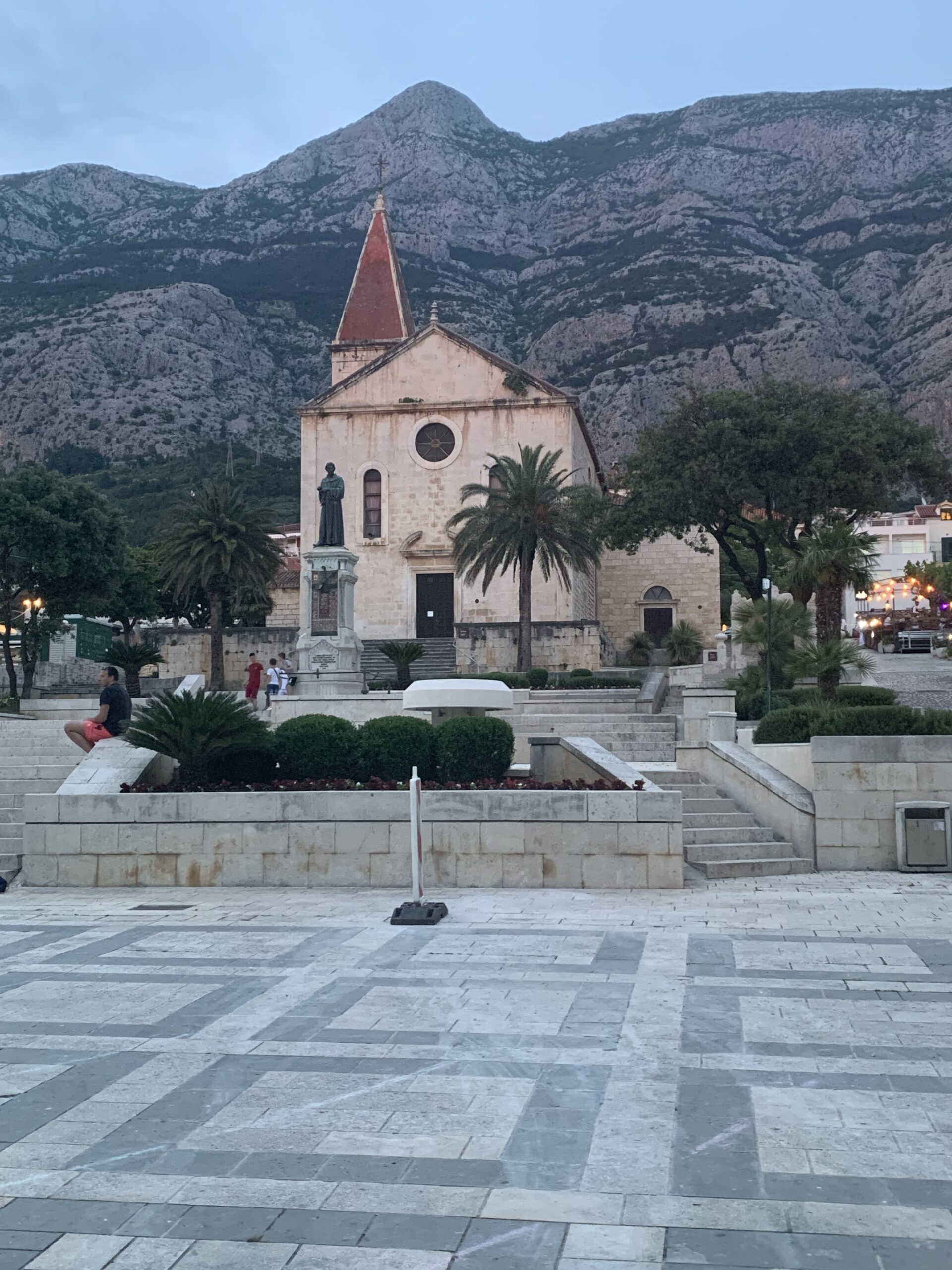
Evenings in Makarska town form their own chapter. As the heat lifts and the sky softens into lavender and rose, families gather in the main square. Children run freely between tables, weaving through chairs with joyful abandon. On weekend nights there is often live musicbands performing well-known Croatian songs that entire tables sing along to without hesitation. It is unmistakably a family affair. Grandparents sit beside teenagers. Toddlers dance near the stage. Parents linger over wine. The square becomes a shared living room beneath the open sky, the kind of communal atmosphere that feels increasingly rare.
Football & National Moments In The Square
And then there are the nights when that gentle rhythm tightens into collective heartbeat. Major national moments. European Championships, World Cup matches are projected onto large outdoor screens, drawing the town together in shared anticipation. Football here is not simply sport; it is part of the national fabric. I stood in that square in July 2018 when Croatia defeated Russia in the World Cup quarterfinal. The tension of the penalties. The split second of silence. Then the release , flags unfurling, strangers embracing, voices rising in unison. I celebrated with such abandon you would have assumed I was Croatian. In that moment, Makarska revealed something essential about itself unity without pretence, pride without spectacle and folded everyone present into it.
Waterfront Strolls – Ice Cream & Yachts At Dusk
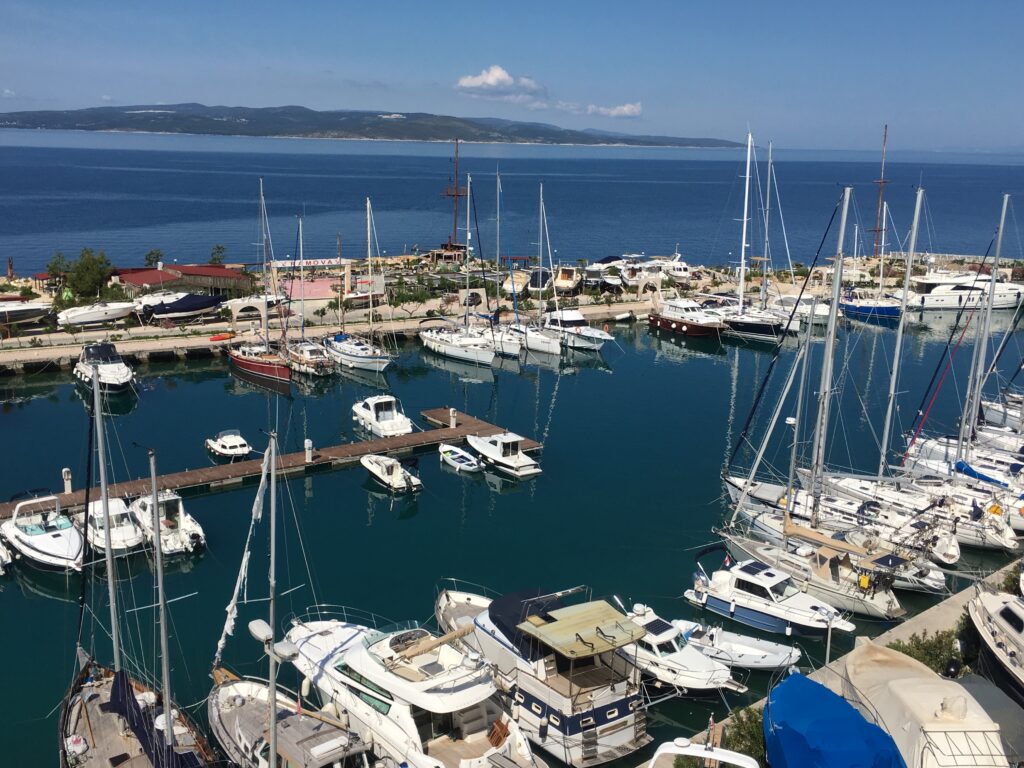
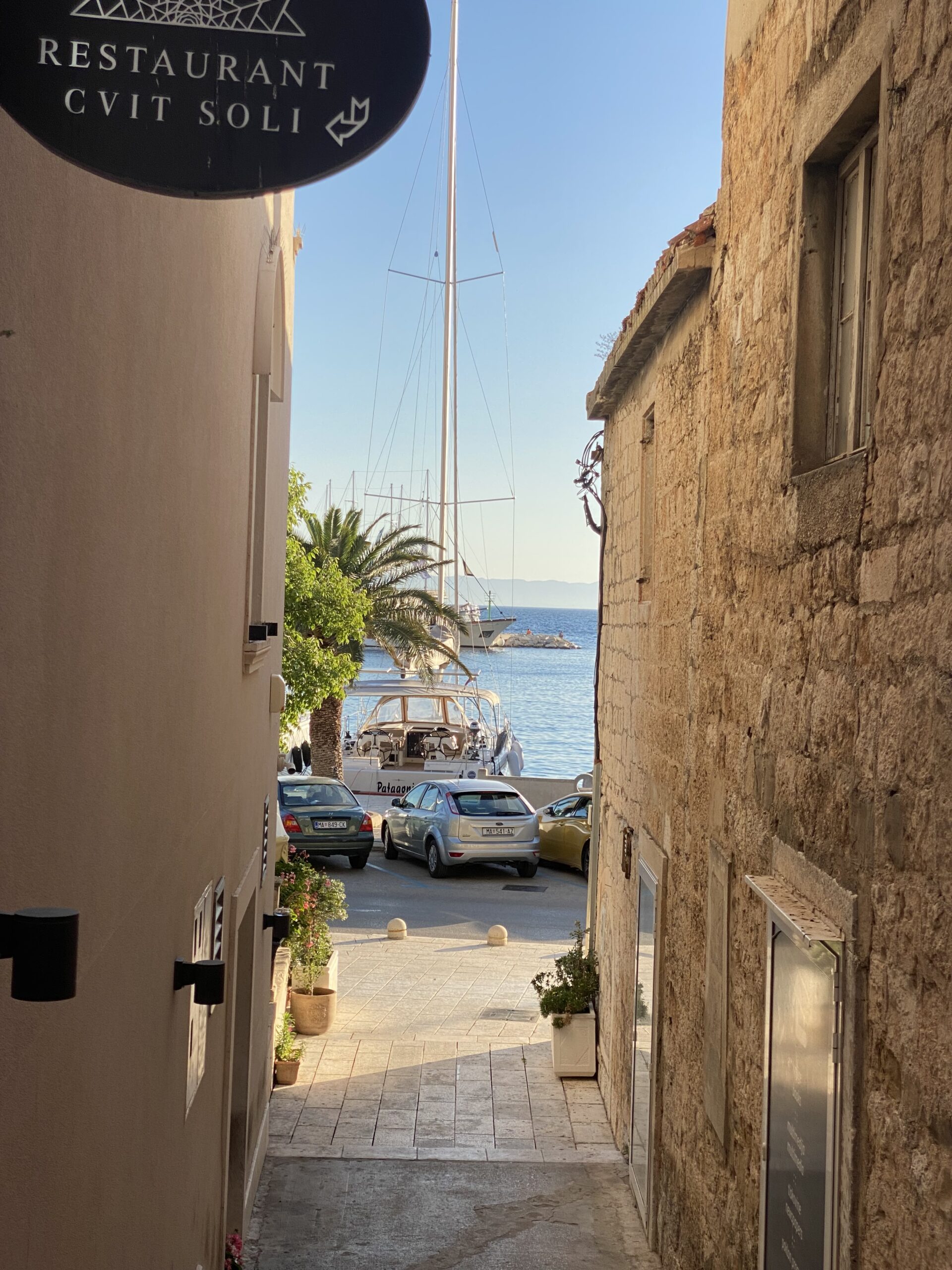
Along the waterfront, the promenade fills with slow, deliberate movement. An ice cream in hand feels almost mandatory. Pistachio, hazelnut, lemon choose your flavour and join the gentle procession. I do this every year. There is something quietly perfect about strolling the harbour with gelato as yachts rock in their berths. Some are modest sailboats stopping overnight. Others are striking, gleaming vessels hinting at another lifestyle entirely. The contrast does not feel jarring. It feels aspirational. Makarska accommodates both effortlessly.
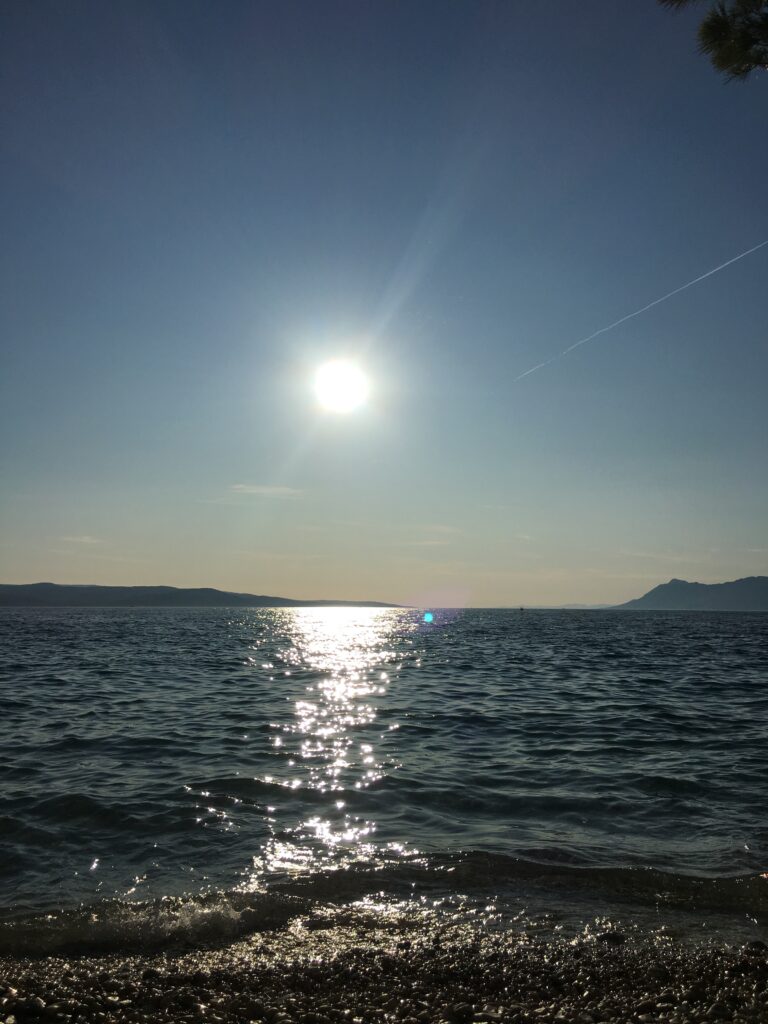
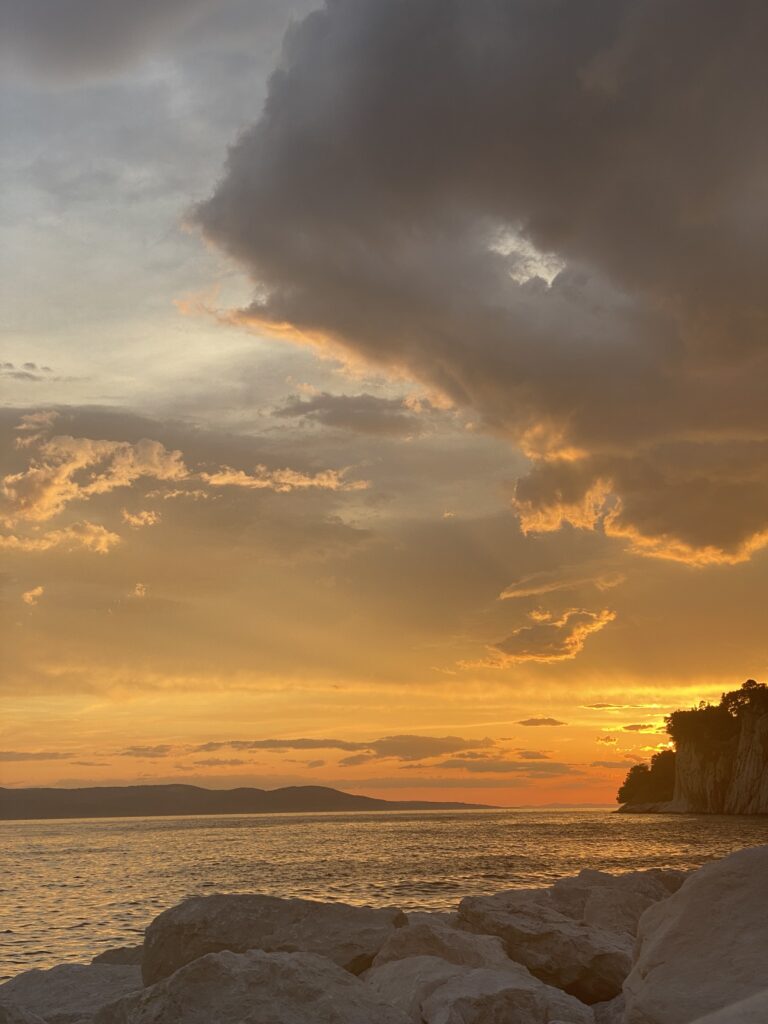
The Makarska sunsets take your breath away. While the marina glows at night. Reflections shimmer across dark water. Couples pause for photographs. Conversations drift between tables. It is lively without being chaotic, animated without being overwhelming. You can immerse yourself in it or observe from the edges. Both feel satisfying.
Accommodation Along The Riviera
Accommodation along the Riviera offers remarkable variety. Renovated stone houses tucked into quiet lanes, contemporary villas with sweeping 360-degree views, boutique guesthouses, and well-appointed hotels line the coast. Many properties are locally owned, which gives the service a more personal feel. In the years I have been visiting Makarska, the area has steadily raised its standards, and there is now at least one five-star hotel, something that simply did not exist when I first started visiting. Whether you prefer understated charm or modern luxury, the Adriatic is never far from view.
Not A Resort – But A Welcome
Makarska is not a resort in the conventional sense. There are no gated compounds insulating you from the country around you. Instead, you step directly into Croatian life into cafés where locals linger, into squares where families gather, into neighbourhood beaches woven into daily routine. The accommodation reflects that spirit: restored stone houses, boutique guesthouses, contemporary sea-view villas, locally owned hotels. You are not leaving home for a self-contained resort experience; you are being welcomed into someone else’s. And that distinction is everything.
Getting Around – Car Rental & Transport
Getting around is refreshingly straightforward. Car rentals, automatic, or standard are easy to arrange and, practically speaking, the best way to explore the Riviera fully. Having your own vehicle allows you to discover quieter beaches, mountain restaurants, and neighbouring towns at your own pace. Public transport is available and reliable for airport transfers; bus companies provide smooth connections to and from Split Airport. Local buses exist, but they are designed primarily for residents rather than visitors hoping to move between hidden coves. For flexibility and ease, a car simply makes sense.
What draws me back, year after year, is not only the scenery but the feeling. Makarska is restorative without being sleepy, lively without being overwhelming. It offers permission to do very little and feel entirely satisfied. Swim. Rest. Repeat. Rise early with the runners and fishermen, protect your skin from the decisive sun, retreat to shade at midday, return to the sea at dusk, stroll the harbour with ice cream in hand, listen to music in the square as children’s laughter carries into the night.
Why Makarska Endures
Over a decade, Makarska has become more than a destination. It marks time in my own life. I know the precise quality of light in late June, the warmth of the water in early September, the way the town swells and softens again as summer fades. Walking a little farther rewards patience. Coffee tastes better when taken slowly outdoors, in conversation.
Croatia as a whole is beautiful. Historic, diverse, increasingly celebrated, but the Makarska Riviera remains, for me, its most restorative chapter. Beyond landmarks and checklists lies the rhythm of sea and sun, mountains framing your horizon, the Adriatic quieting your thoughts. A return, again and again, to the same shoreline, discovering that it still holds you exactly as it did the first time. Ten years in, the pull has not diminished. It has deepened. Makarska is where mountains meet the Mediterranean, where pebbles replace sand, where coffee stretches into conversation, and where each summer I recalibrate.
Travel Deeper – Returning To Recalibrate
Travel Deeper here is not about adding another destination to the list. It is about returning deliberately. About choosing the same shoreline year after year and discovering that it still meets you differently each time. It is rising before the sun strengthens, walking beyond the crowded stretch for space, lingering over one coffee long enough for conversation to matter, and swimming again at dusk when the Adriatic turns silver, blue. Makarska does not demand spectacle; it rewards presence. And presence, in the end, is what restores us.
That is why I come back. Not to escape, but to recalibrate.
Where Else On The Map
Other landscapes wait, each with their own rhythm and horizon. But some places call us back. Not for novelty, but for renewal.
Entry requirements and regulations are subject to change. Always confirm details with official sources before travel.
Travel safely, and return not just with memories, but with connections that endure.